1930 Stutz Model MB Monte Carlo
Weymann American Body Company of Indianapolis employed its patented flexible construction method to create the Monte Carlo sedan, representing Stutz’s most expensive closed-body offering at approximately $4,495.
The process used a fabric-based artificial leather covering stretched over carefully jointed wooden frames, with treated joints designed to eliminate squeaks and vibration. Factory literature promoted the result as coachwork that was effectively free of rattles.
Built on the Model MB’s 145-inch wheelbase, these sedans combined low-slung proportions with European-influenced styling that founder Harry Stutz reportedly insisted be “strictly European in every detail.” The labor-intensive nature of Weymann construction sharply limited output, with only a very small number of Monte Carlo sedans produced.
Swiss-born engineer Charles Greuter designed the SV-16 powerplant, a 322-cubic-inch (5.3-liter) straight-eight featuring a single overhead camshaft, dual ignition with two spark plugs per cylinder, and nine main bearings. Output was rated at 113 horsepower at 3,300 rpm, delivered through a four-speed manual transmission.
The SV-16 designation referred to the engine’s sixteen valves (two per cylinder), allowing Stutz to compete nomenclature-wise with Cadillac and Marmon V16 models without matching their cylinder count.
An underslung chassis layout with worm-drive rear axle lowered the center of gravity, improving handling while enabling the Monte Carlo’s distinctive, rakish proportions. The result was one of the most visually striking and technically sophisticated American luxury sedans of the classic era.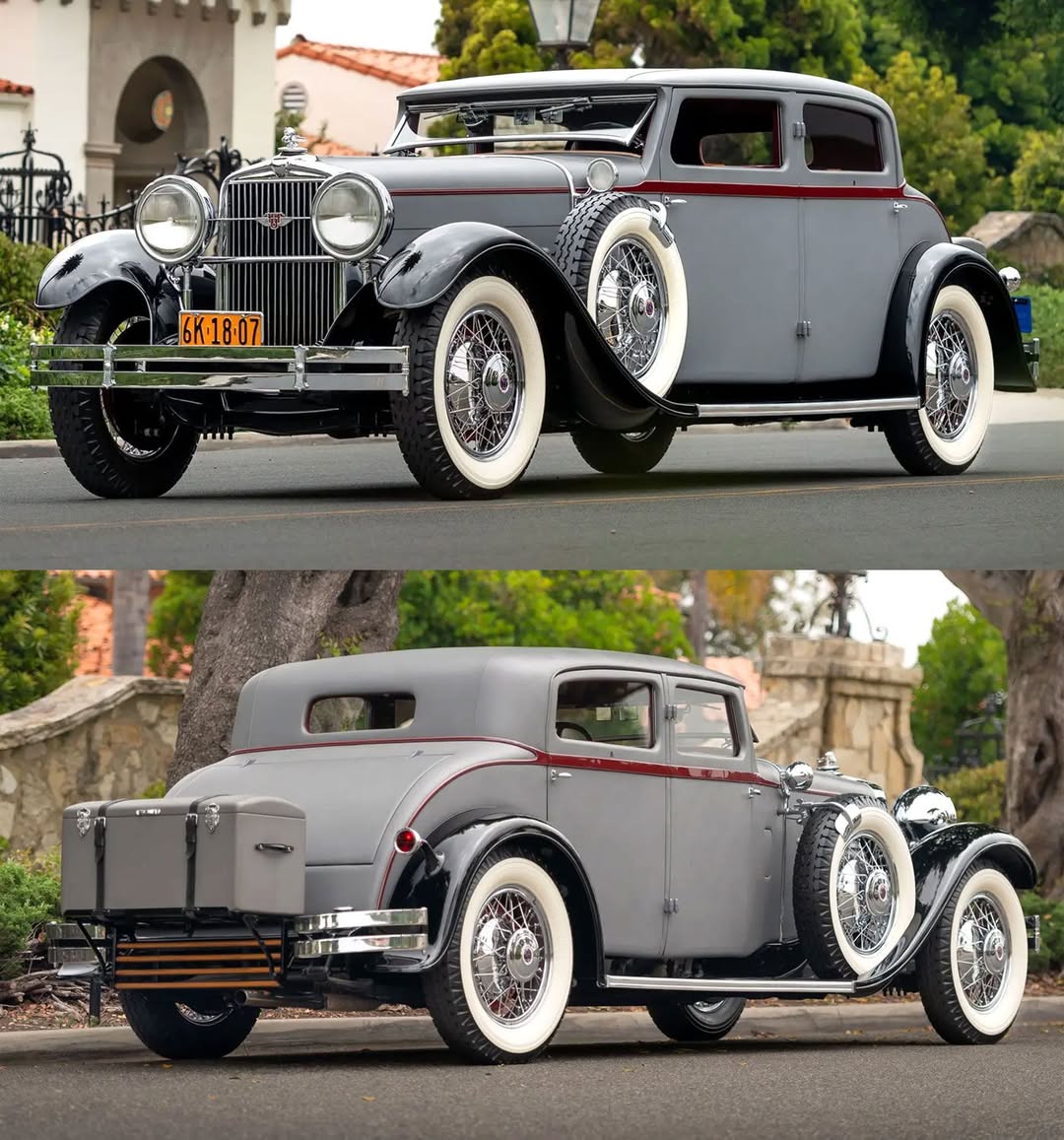
Source