1937 Rolls-Royce Phantom III Cabriolet
Independent front suspension with coil springs represented a significant technical advancement when Rolls-Royce launched its V12-powered flagship in 1936. The Phantom III featured a 447-cubic-inch aluminum-alloy V12 with pushrod overhead valves and a single camshaft positioned in the valley between cylinder banks, with output quoted in period around 165 to 180 horsepower.
The engine drove through a four-speed manual transmission with synchromesh on second, third, and fourth gears. This configuration powered a 142-inch wheelbase chassis with servo-assisted four-wheel brakes licensed from Hispano-Suiza, a hallmark Rolls-Royce braking system that carried over from earlier models.
Production totaled 727 Phantom III chassis between 1936 and 1939, with one final chassis completed in 1940, although cars continued to be bodied and delivered into the early postwar years. This made it Rolls-Royce’s only V12 model until the 1998 Silver Seraph returned the company to V12 power after a long line of six- and eight-cylinder cars.
Berlin coachbuilder Voll & Ruhrbeck created a four-door cabriolet body for a Phantom III chassis (shown here), featuring distinctly Germanic styling with heavily skirted fenders and deeply crowned front and rear panels.
The political climate made British chassis arriving at German workshops relatively uncommon during this period, which only adds to the historical interest around these Voll & Ruhrbeck-bodied cars.
Henry Royce’s final engineering project at Rolls-Royce was indeed the Phantom III, and he died in 1933 about a year into the model’s development, several years before the car entered production in 1936.
His work on the Phantom III’s advanced V12 and chassis layout effectively set the template for Rolls-Royce’s late prewar flagship and cemented the model’s reputation among enthusiasts as a technical high point of the coachbuilt era.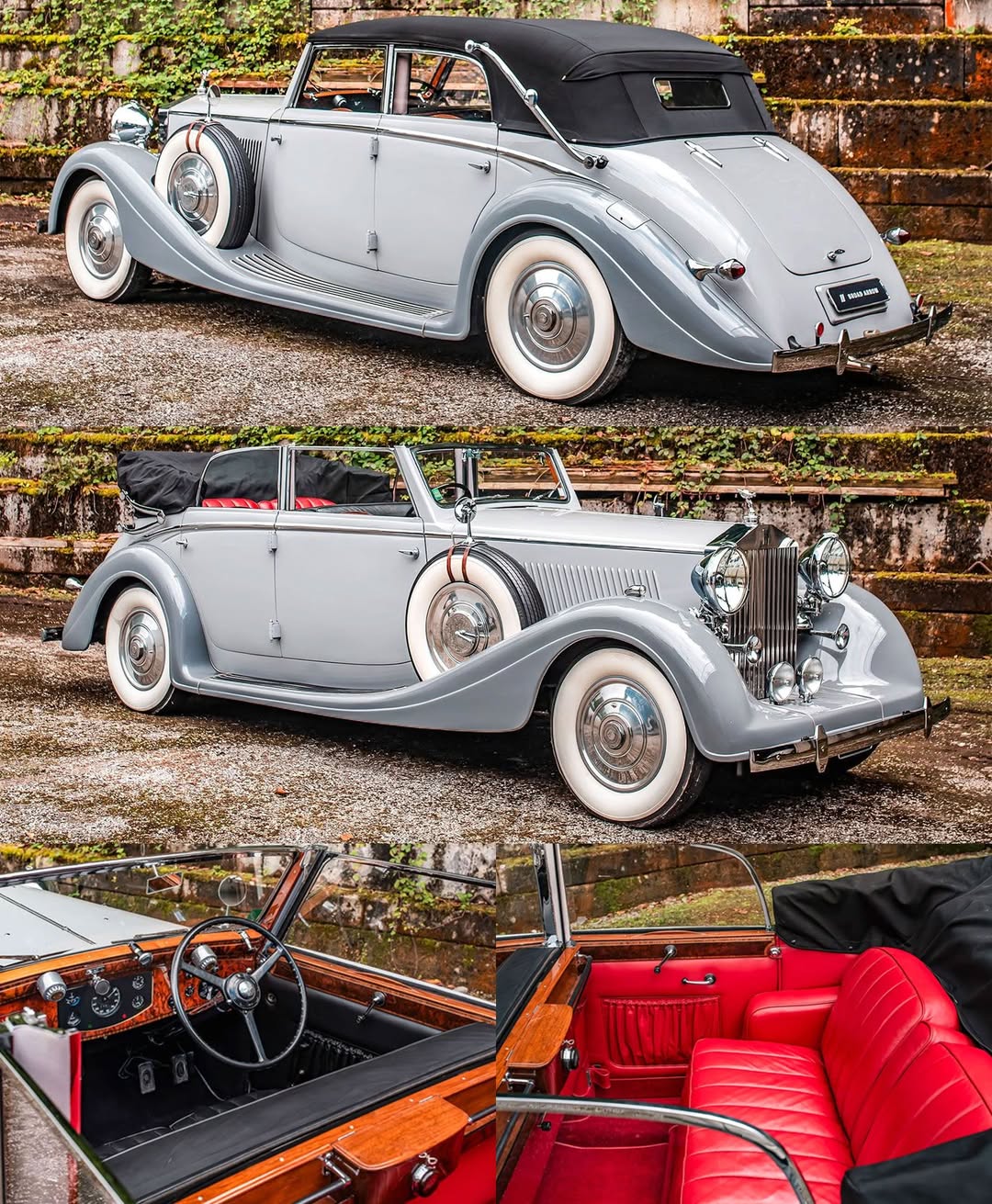
Source