1930 Ford Model A Victoria
The Ford Model A, introduced in 1928 as the Model T’s successor, represented a significant advancement with its 40-horsepower 200-cubic-inch inline four engine and three-speed transmission. Unlike its utilitarian predecessor, the Model A offered diverse body styles, from basic Tudor and Fordor sedans to more luxurious options like Phaetons and Town Cars.
In 1930, Ford added the distinctive Victoria model, featuring a slanted “bustle back” design available with either cloth or steel tops. The Model A’s improved mechanics and varied styling options marked Ford’s recognition that aesthetics played a major role in sales, making it a more sophisticated successor to the “Universal Car” (the Model T).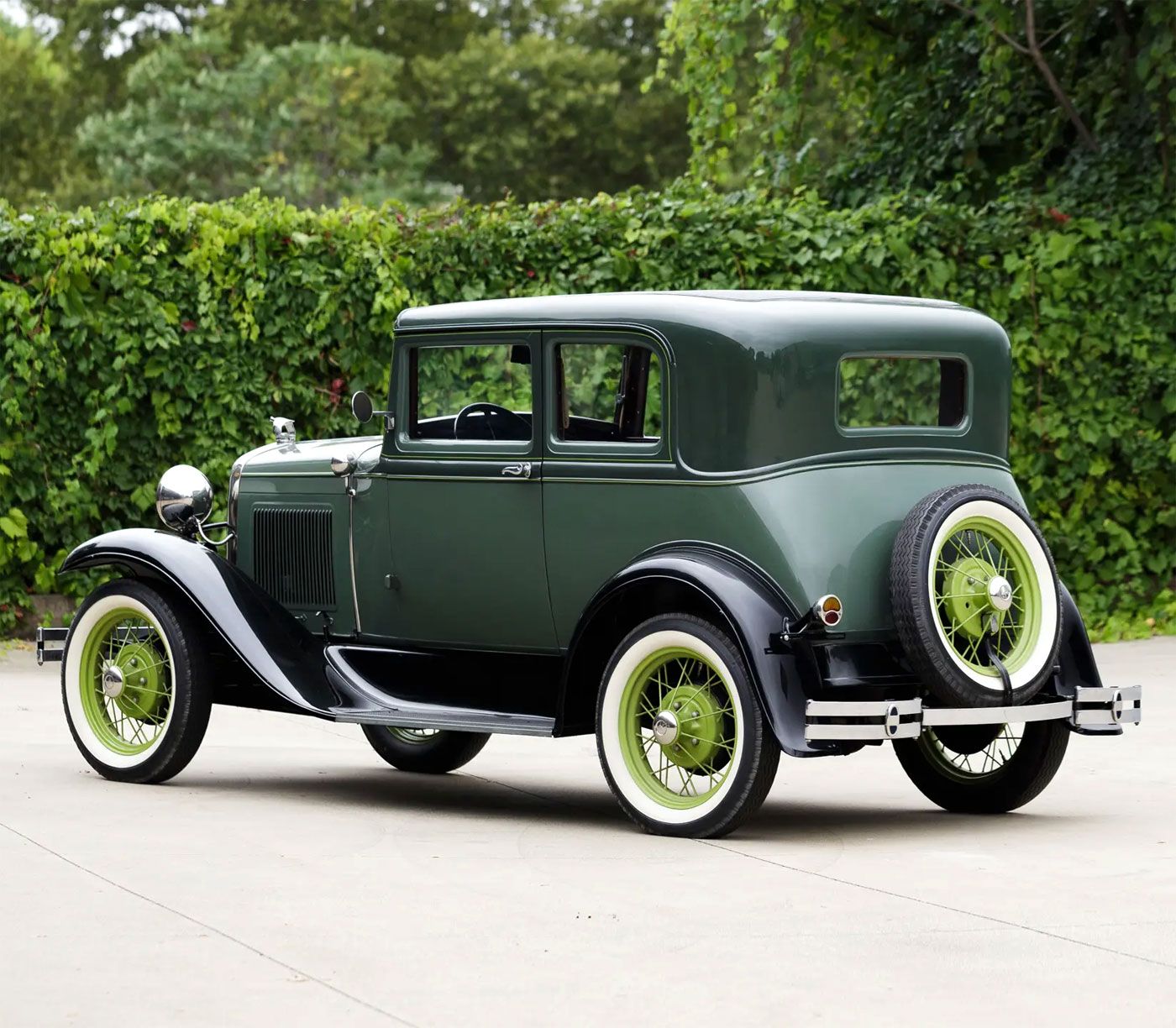
Source