1930 Rolls-Royce Phantom II Torpedo Sports

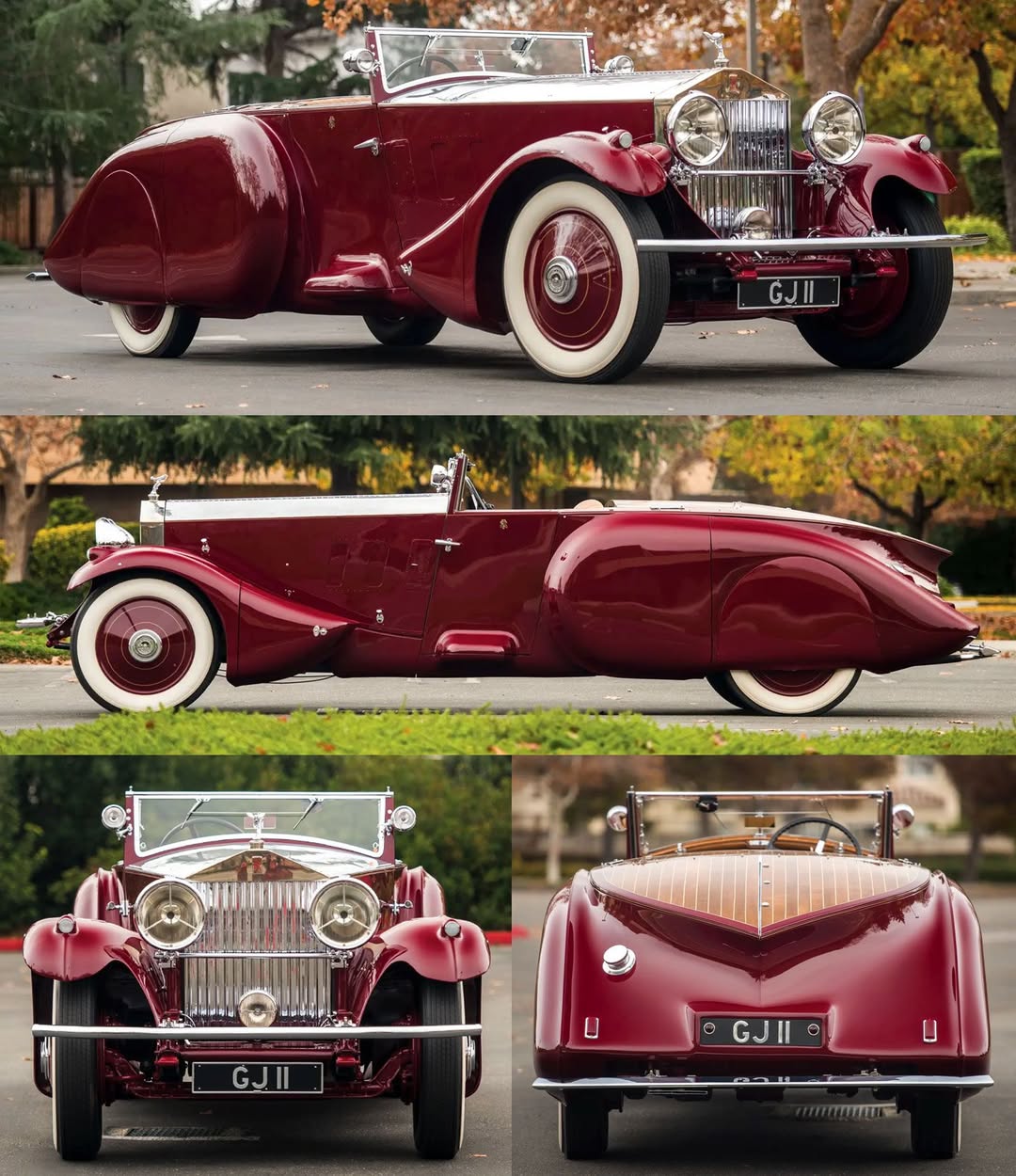
Barker’s Torpedo Sports design represented a dramatic departure from the coachbuilder’s typically conservative work.

Introduced at the 1930 London Motor Show, the styling appeared a decade ahead of its time with flowing pontoon front fenders containing built-in storage compartments, rear fenders sweeping forward to conceal side-mounted spare tires, and a disappearing top that tucked beneath a tapered rear deck finished in varnished plank hardwood resembling a speedboat’s bow.

The nautical theme extended throughout the design, with artfully crafted door handles incorporating lights that mimicked port and starboard markers on a yacht. The two-passenger configuration could accommodate four when needed through a concealed dickey seat that swung up from the rear deck.

The Phantom II chassis featured a 7.7-liter inline six-cylinder engine producing approximately 120 horsepower, paired with a four-speed manual transmission.

The Torpedo Sports was built on the shorter 144-inch wheelbase Phantom II Continental chassis, a special-order sporting specification commissioned from the renowned royal coachbuilder.

Source

Related Posts

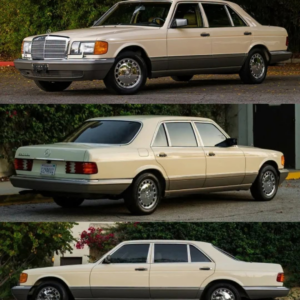
When luxury meant solid engineering, not giant screens. The 1986 Mercedes-Benz 420SEL was a long-wheelbase S-Class built for quiet comfort and effortless cruising. Its V8 power, understated…

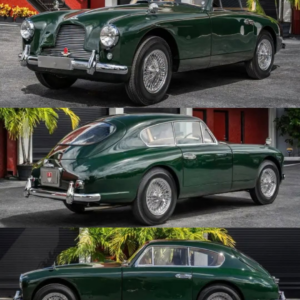
British elegance from a different era. The 1955 Aston Martin DB2/4 Mark I Saloon blended graceful grand-touring lines with the sporting character Aston Martin was becoming known…

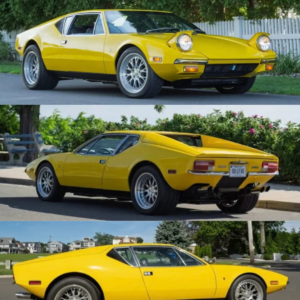
Italian design. American V8 muscle. 🇮🇹🇺🇸 The 1973 De Tomaso Pantera L brought together a dramatic Italian-designed body and a Ford 351 Cleveland V8 mounted behind the…

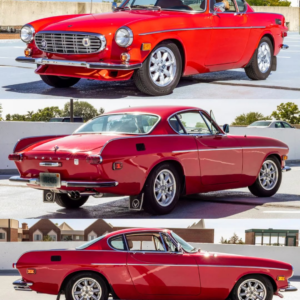
Swedish style with a sporting edge. The 1971 Volvo 1800E combined elegant coupe styling with Volvo’s reputation for solid engineering. The fuel-injected 1.8-liter engine gave the 1800E…

Lightweight. Wide-bodied. Built to perform. The 1973 BMW 3.0 CSL was far more than a beautiful coupe. BMW stripped weight, sharpened the chassis, and created a car…

Small, simple, and impossible to forget. The 1974 Volkswagen Beetle wasn’t about speed or luxury. It was about simplicity, character, and a design that became recognizable almost…

Leave a Reply

Your email address will not be published. Required fields are marked *