Cats and plants look harmless together.
The problem is that some “pretty” flowers can shut down organs in hours.
A curious lick, a bit of pollen on fur, or one bite from a bulb can be enough to send a cat into kidney or heart failure.
Below are some of the most dangerous plants for cats and what to do if your cat goes near them.
1. True lilies (Lilium and Hemerocallis)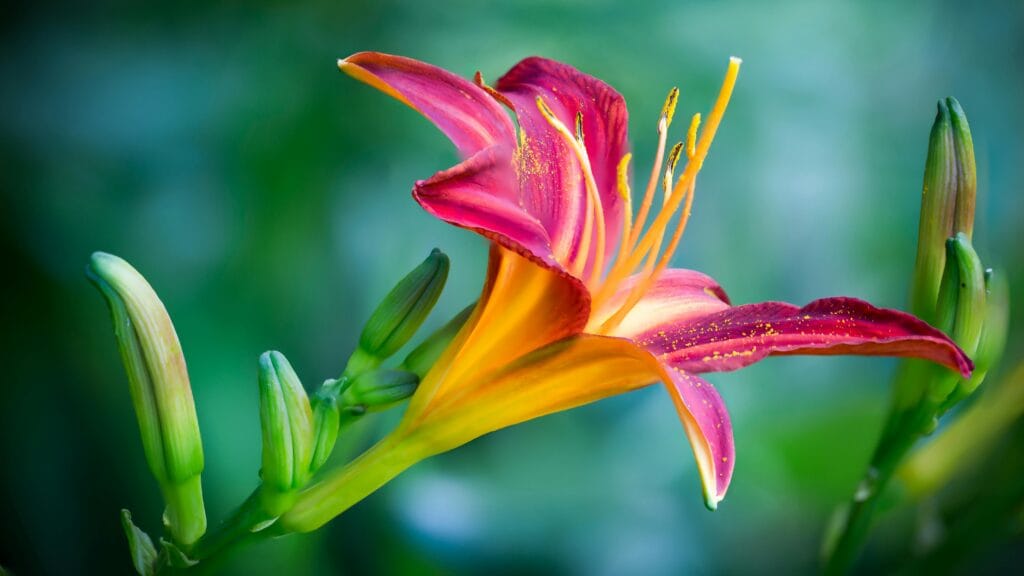
True lilies and daylilies are in a league of their own for cats.
Even a tiny amount of leaf, petal, pollen, or vase water can trigger acute kidney failure and death within a few days.
If you have any lilies at home, treat them as an emergency.
Remove them from the house, keep your cat away, and call your vet immediately if there is any chance of contact.
2. Sago palm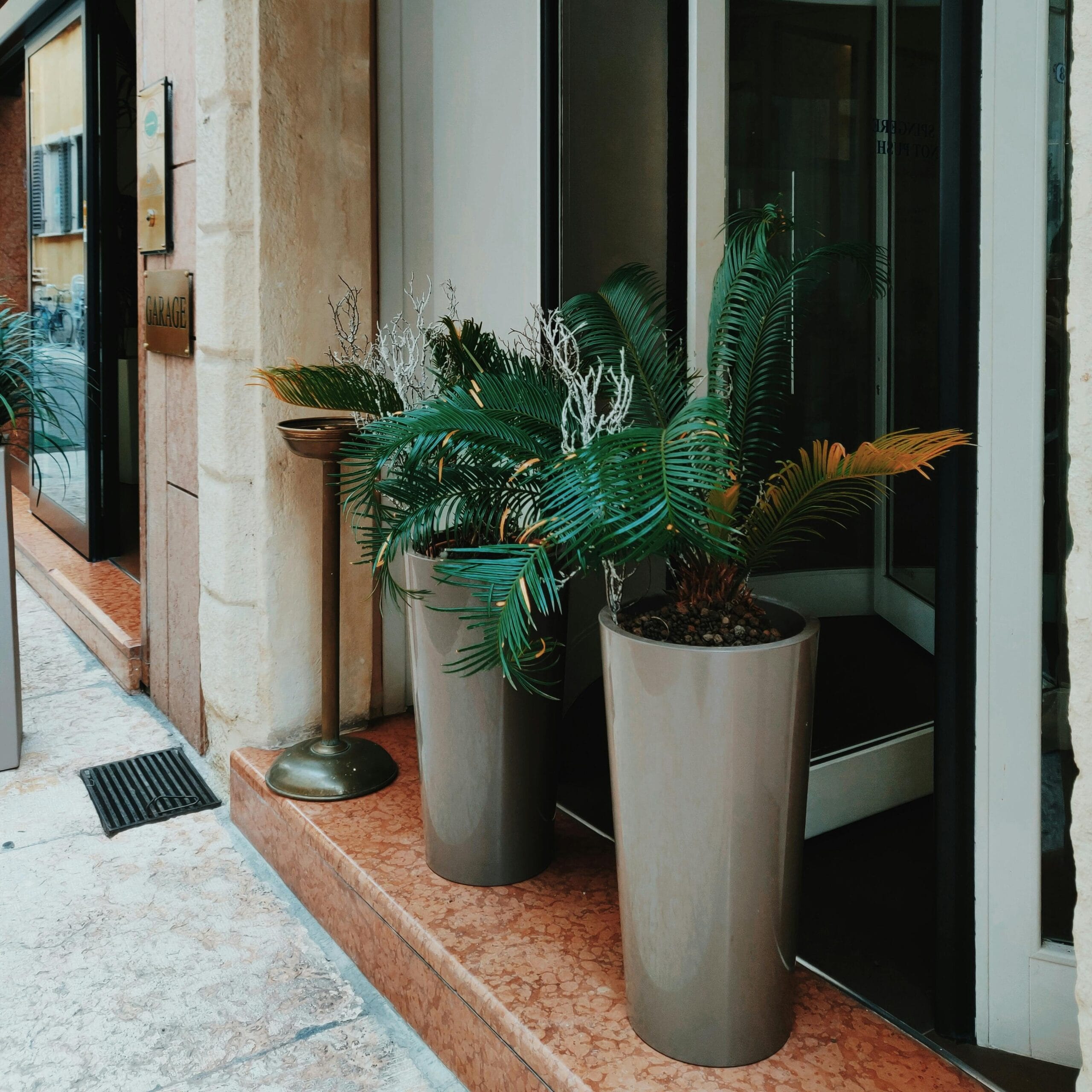
Sago palms look like mini palm trees and are common in pots and gardens.
Every part is poisonous, especially the seeds.
The main toxin, cycasin, can cause severe liver damage, clotting problems, and death, and some reports suggest up to half of pets that ingest it do not survive even with treatment.
If your cat chews any part of a sago palm, go straight to an emergency vet.
Do not wait for vomiting or jaundice to appear.
3. Autumn crocus (meadow saffron)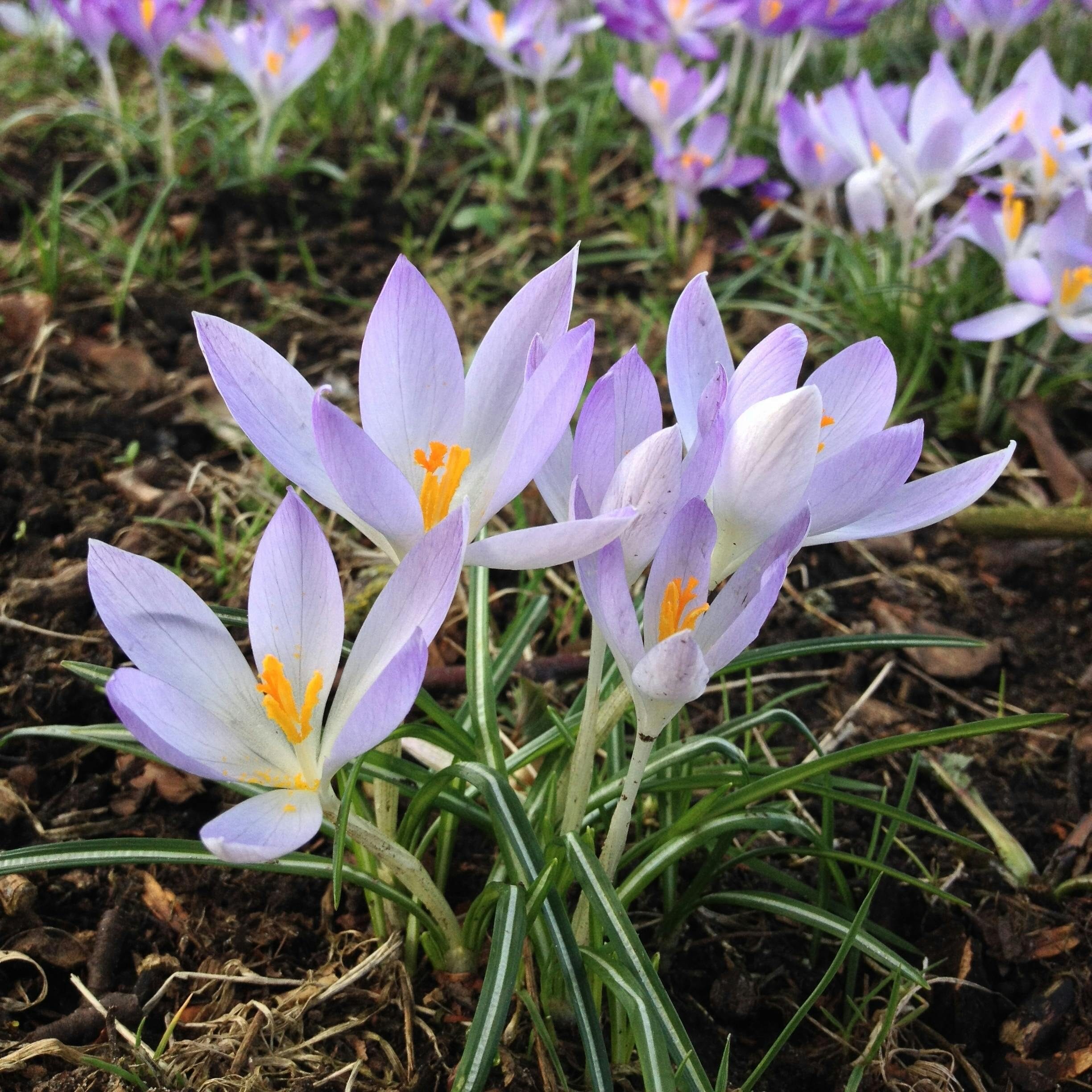
Autumn crocus contains colchicine, a potent cell poison that can damage the gut, bone marrow, liver, and kidneys.
Even small amounts can cause bloody vomiting, diarrhea, shock, and multi organ failure.
Symptoms may not show up right away.
If your cat eats any part of this plant or bulb, treat it as life threatening and seek urgent veterinary care.
4. Oleander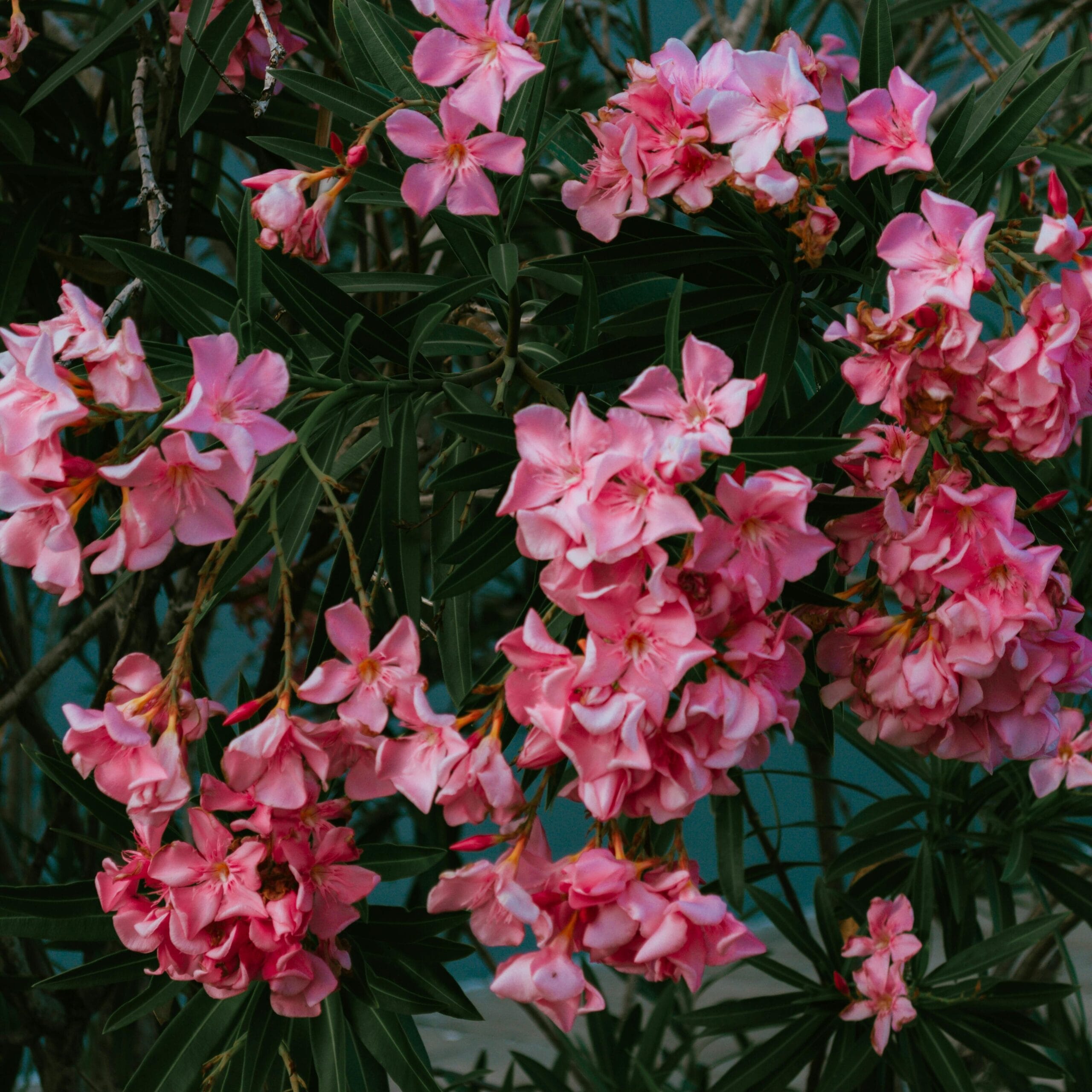
Oleander is a popular shrub with pink or white flowers.
It contains heart glycosides that disrupt normal heart rhythm and can cause vomiting, tremors, collapse, and death in cats.
Even a small piece of leaf or a few petals can be dangerous.
Keep cats away from any oleander shrubs and seek immediate help if you suspect chewing or ingestion.
5. Yew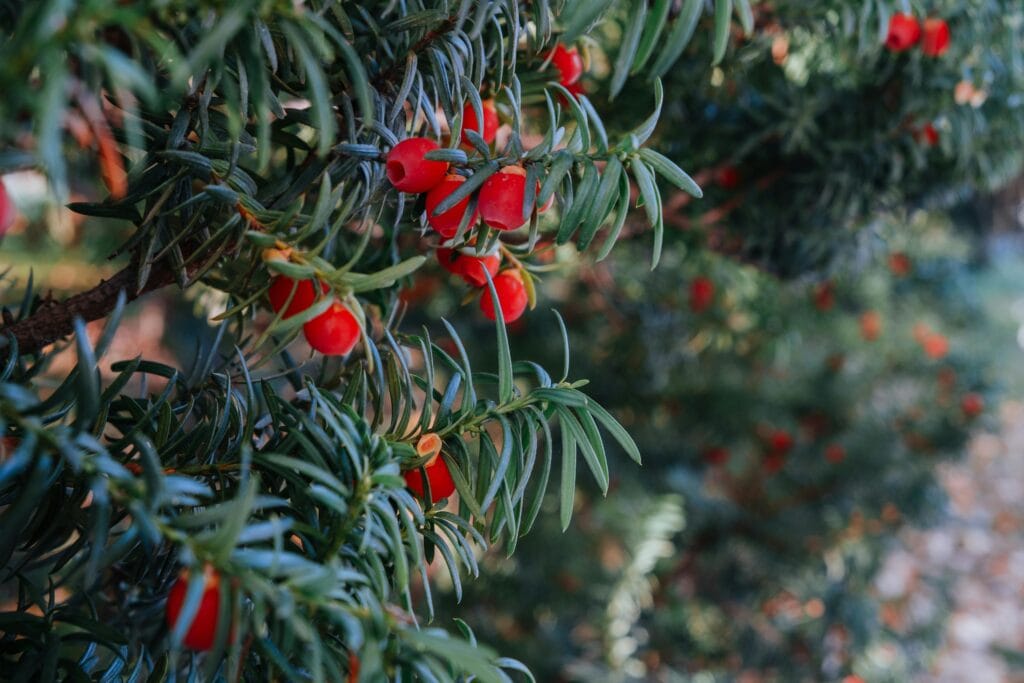
Yew trees and hedges are often used in landscaping.
All parts of the plant except the fleshy red aril are toxic and contain taxine alkaloids that can trigger fatal heart arrhythmias and sudden death.
A cat may collapse with little warning.
If you see your cat chewing yew or find needles in vomit, treat it as an emergency and contact a vet at once.
6. Lily of the valley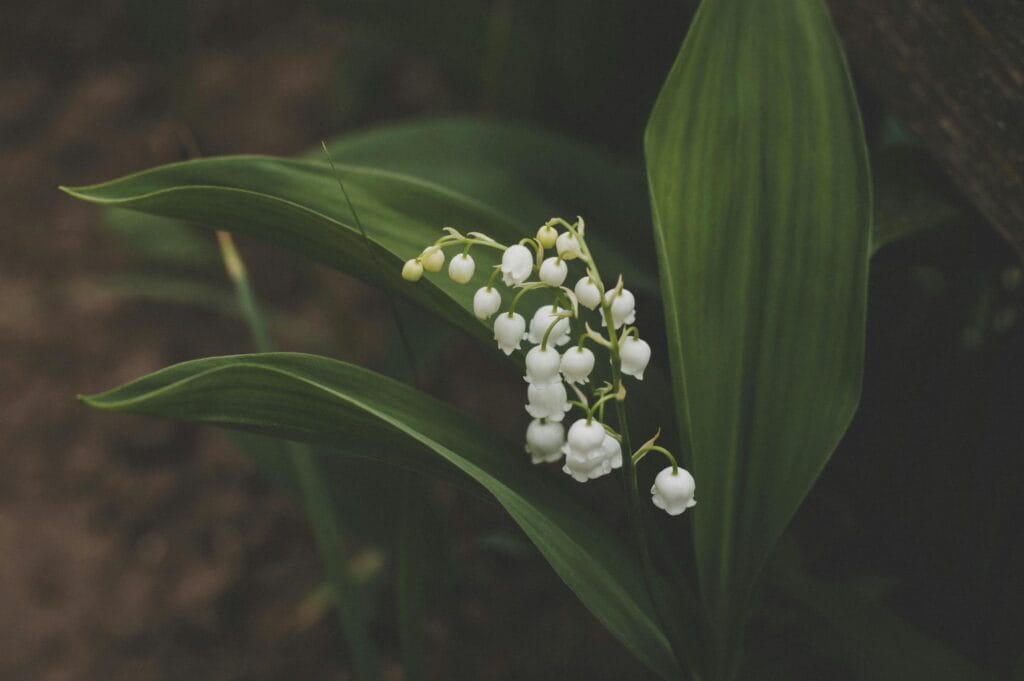
Lily of the valley looks delicate but carries powerful cardiac glycosides.
In cats it can cause vomiting, diarrhea, slow or irregular heartbeat, weakness, and collapse.
Because its leaves and bells are small, a cat does not need much to get into trouble.
Keep this plant outside cat spaces and seek fast veterinary help after any nibble.
7. Azaleas and rhododendrons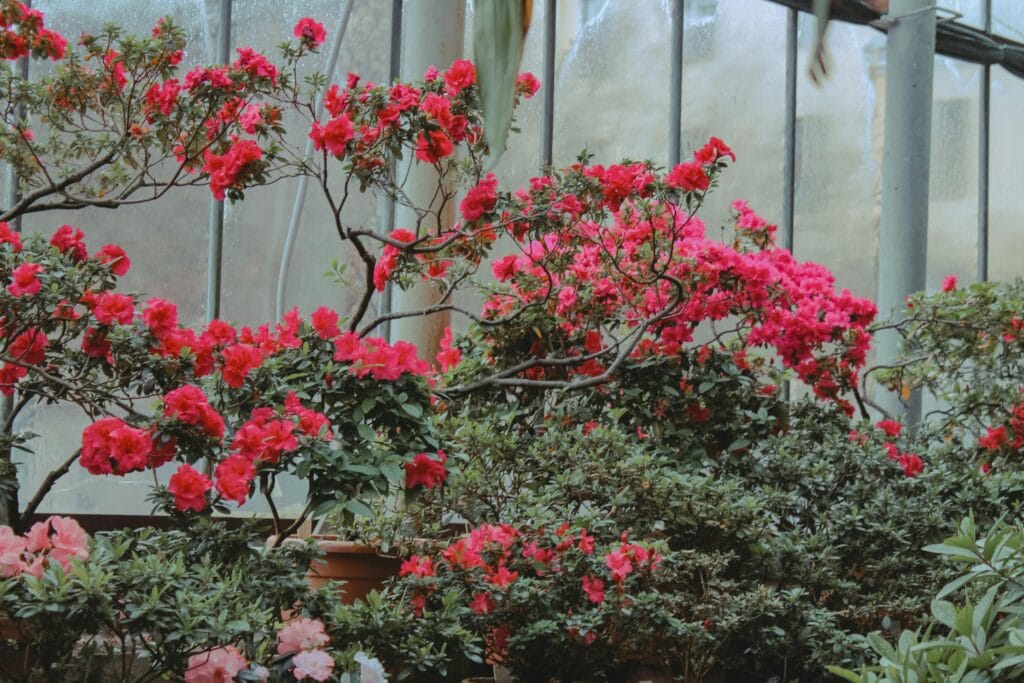
Azaleas and rhododendrons contain grayanotoxins that affect the heart, muscles, and nervous system.
A few leaves can lead to drooling, vomiting, diarrhea, weakness, low blood pressure, and even coma or cardiovascular collapse.
These shrubs are common in gardens.
If your cat has access to them and starts to look unwell, contact your vet and bring a photo or sample of the plant.
8. Foxglove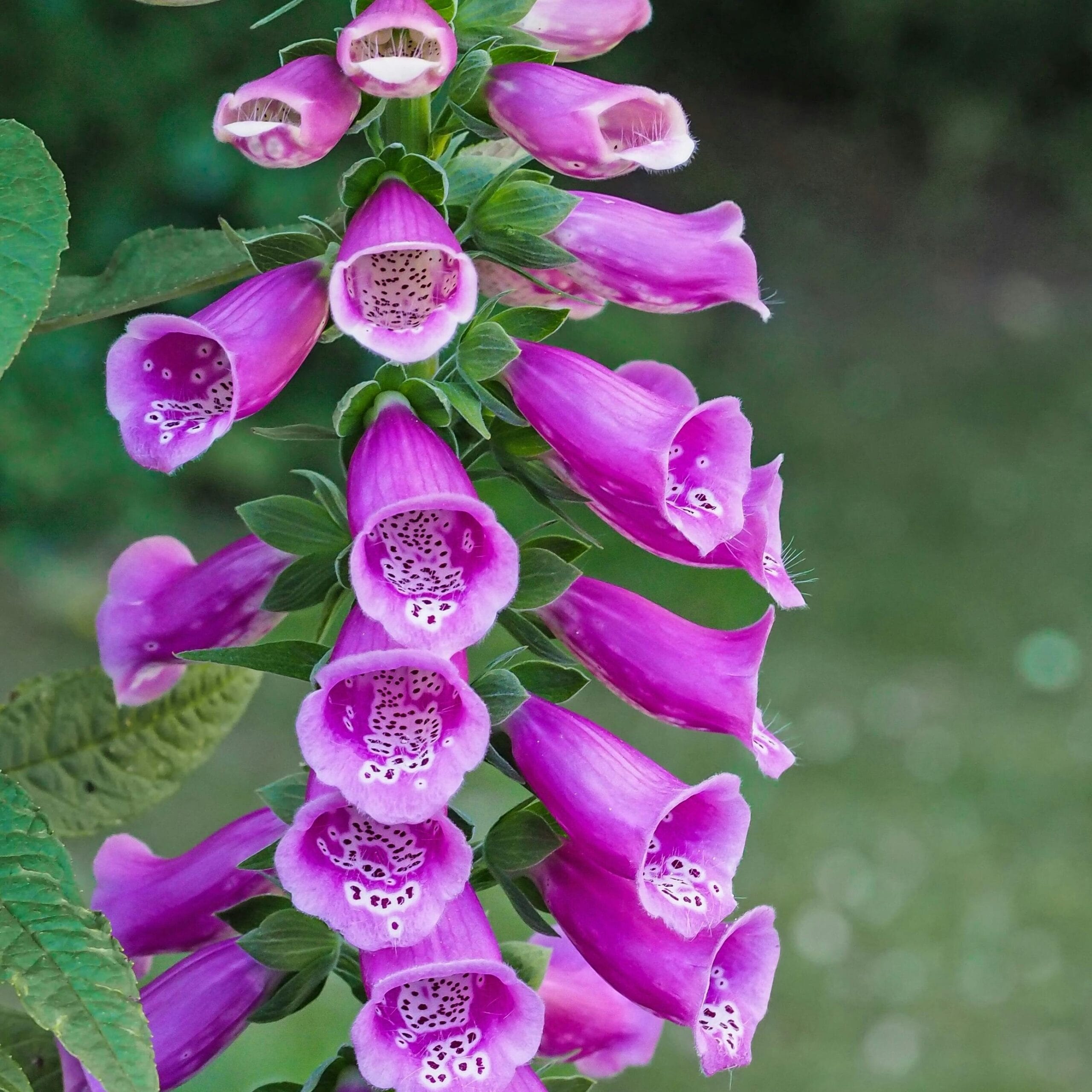
Foxglove contains digitalis type glycosides, the same class of drugs used in some heart medications.
In cats, an overdose from chewing the plant can cause vomiting, drooling, slow or fast heartbeat, and dangerous arrhythmias.
Because foxglove often grows near homes and paths, keep cats away from areas where it is planted and seek urgent care after any suspected ingestion.
9. Tulips and hyacinths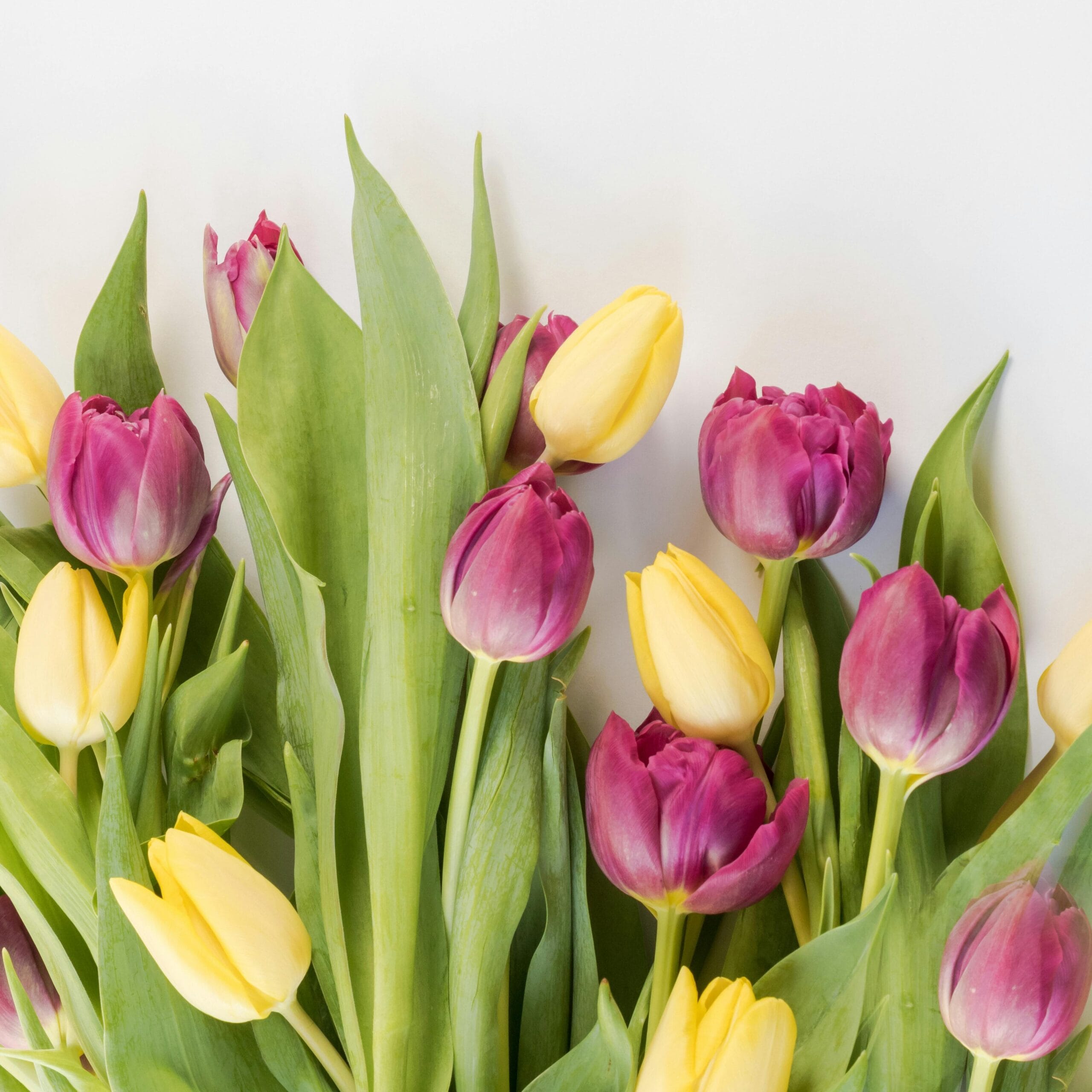
Tulips and hyacinths are popular in bouquets and gardens.
Their bulbs hold the highest concentration of irritant compounds that can cause intense drooling, vomiting, and diarrhea.
Large ingestions can lead to changes in heart rate and breathing.
If your cat digs in pots or chews bulbs, contact your vet.
Remove access to the plants and watch for stomach upset and lethargy.
10. Daffodils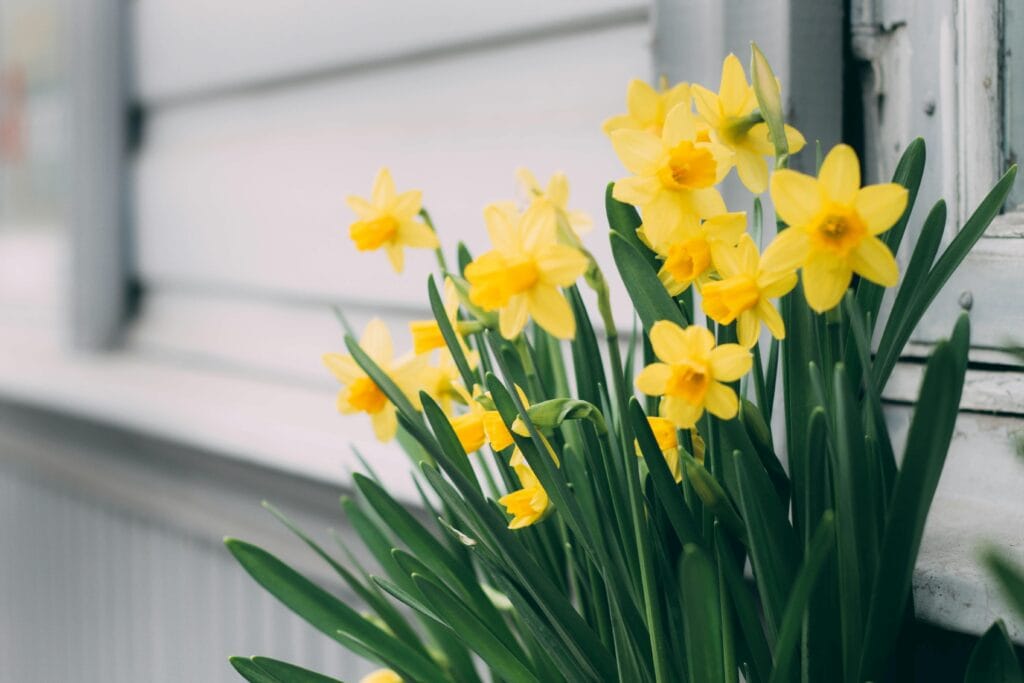
Daffodil bulbs and leaves contain alkaloids that can irritate the gut and affect the heart.
Cats may vomit, drool, have diarrhea, or develop tremors and abnormal heart rhythms after eating them.
Keep bulbs in secure storage before planting and avoid bringing daffodil arrangements into homes with cats that like to chew greenery.
11. Dieffenbachia (dumb cane)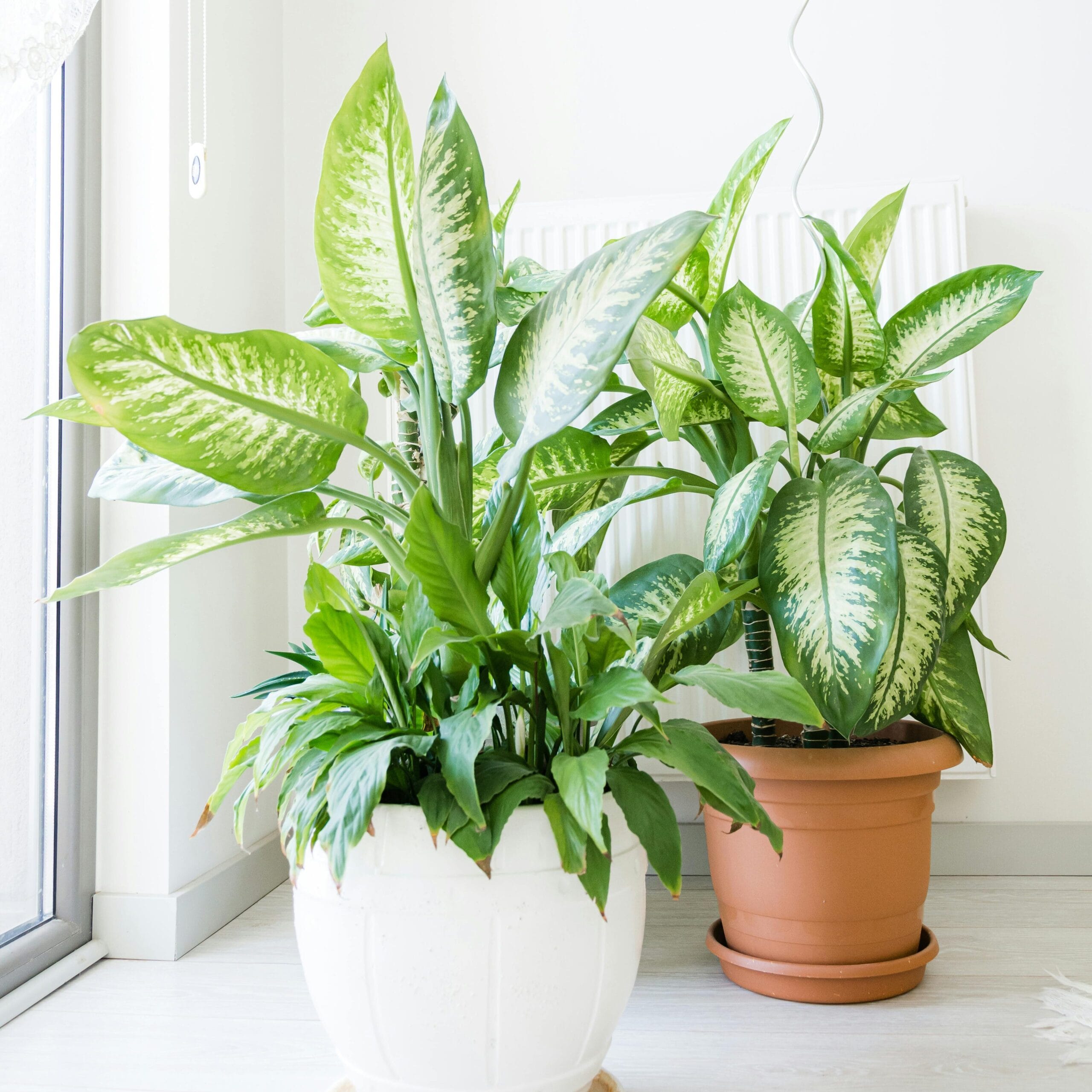
Dieffenbachia is a common indoor plant with large green and white leaves.
It contains insoluble calcium oxalate crystals that act like tiny needles in the mouth, causing sudden pain, swelling, drooling, and sometimes difficulty breathing if enough is chewed.
If your cat starts pawing at the mouth or drooling near this plant, rinse the mouth with water if you can do it safely and call your vet for advice.
12. Pothos and philodendron
Pothos and philodendron are trailing vines often hung in homes.
Both contain insoluble calcium oxalates that cause burning in the mouth, drooling, vomiting, and trouble swallowing when cats chew the leaves.
These poisonings are rarely fatal but very painful.
Place these plants completely out of reach or remove them if your cat likes to chew foliage.
13. Peace lily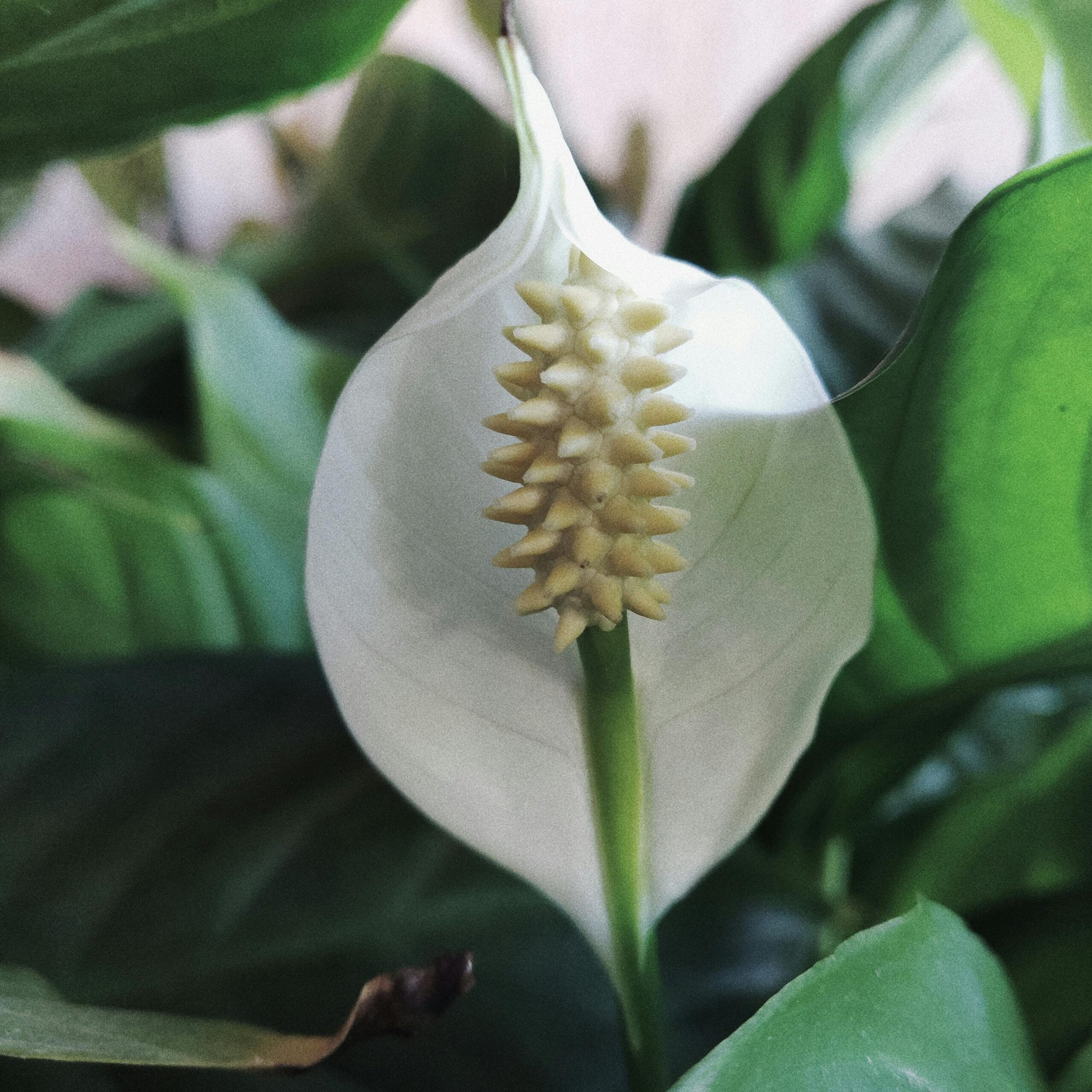
Peace lilies are not true lilies, but they are still mildly toxic.
They also contain calcium oxalate crystals that irritate the mouth and stomach, leading to drooling, pawing at the face, and vomiting, although they do not cause the kidney failure seen with true lilies.
Treat any chewing as a reason to call your vet, especially if your cat has trouble swallowing.
14. Aloe vera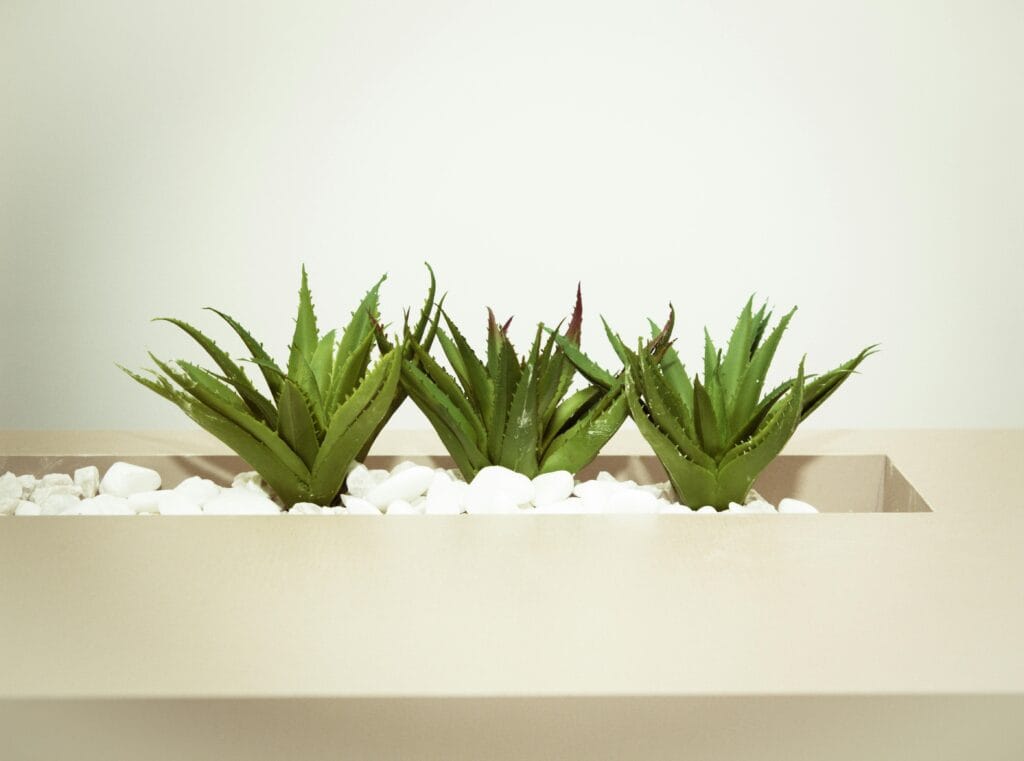
Aloe vera is popular for skin care, but the gel and sap contain saponins and anthraquinones that are toxic to cats.
Ingestion can cause vomiting, diarrhea, lethargy, and changes in urine color.
If your cat bites an aloe plant or licks spilled gel, remove access, monitor for stomach upset, and contact your vet, especially if symptoms are severe or prolonged.
What to do if your cat eats a toxic plant
If you suspect plant poisoning, time matters. Remove any plant pieces from your cat’s mouth, keep them away from the plant, and call a vet or pet poison hotline right away.
Bring a photo of the plant, the actual plant, or the name from the label.
Early treatment can be the difference between a scare and a crisis.