1926 Studebaker Special Six Sedan
Advanced engineering characterized Studebaker’s mid-range offering during its final production year, representing nearly a decade of refined development in the Special Six lineup.
The sedan featured a distinctive nickel-plated “tombstone” radiator shell that distinguished it from other Studebaker models, creating an upright, formal appearance reminiscent of luxury marques like Packard.
Built on a 120-inch wheelbase, the sedan provided spacious accommodations for passengers while maintaining manageable proportions for 1920s roads. Optional four-wheel hydraulic brakes represented advanced stopping technology, though many examples retained the standard mechanical brake system.
The 288.6 cubic inch side-valve inline six-cylinder engine developed 50 horsepower, using a 3.5-inch bore and 5-inch stroke configuration.
The 1925-1926 engines featured redesigned internals with stronger crankshafts and careful factory balancing for improved operation. Timken adjustable bearings supported the transmission components.
Production concluded in mid-1926 as Studebaker prepared to transition the model into the Commander for 1927, a nameplate that would continue for decades.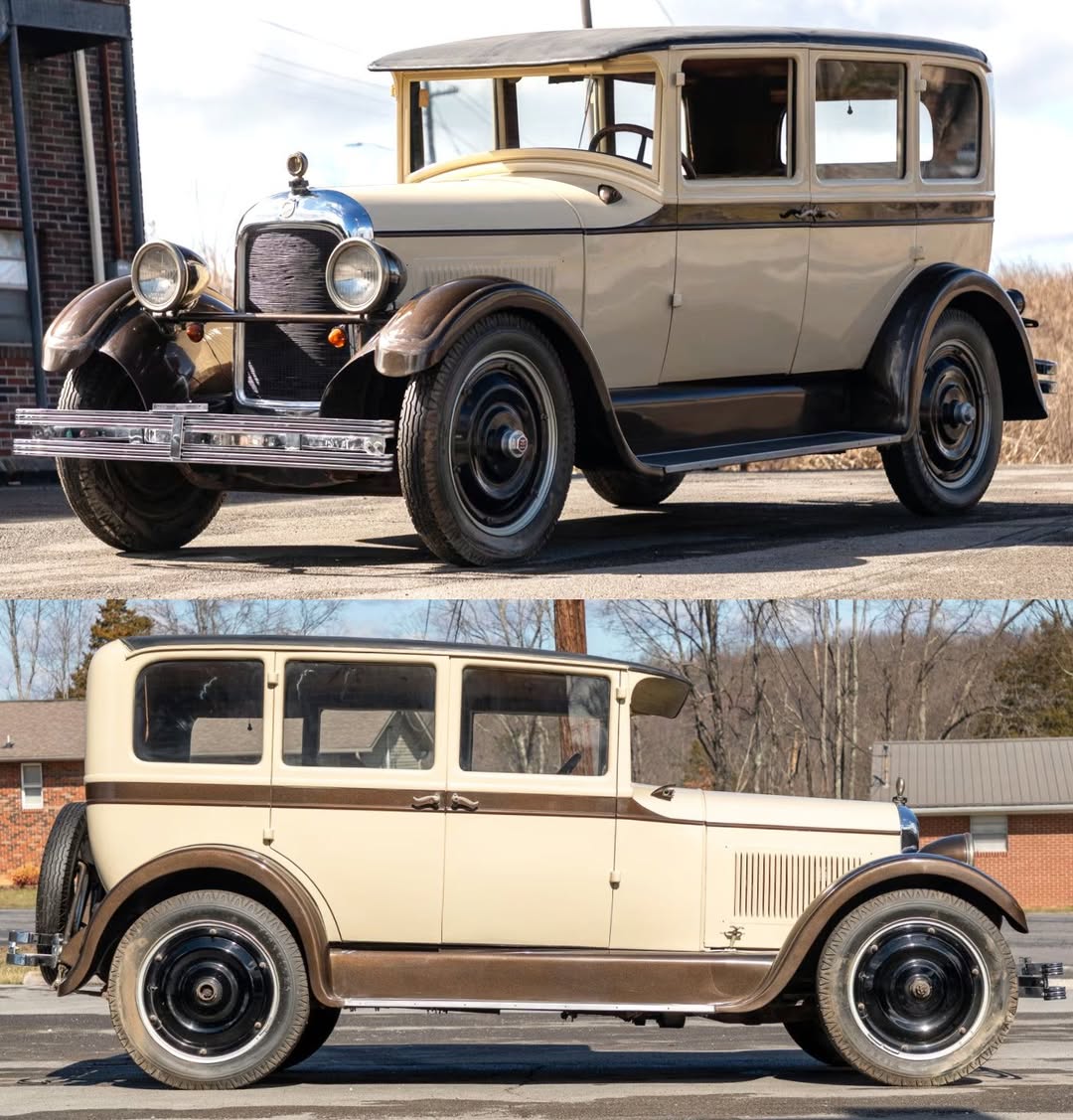
Source