1903 Duryea Three-Wheel Phaeton
Ten years before Henry Ford’s Model T, Charles Duryea was already producing gasoline automobiles at a rate of roughly one per week from his Reading, Pennsylvania factory.
By 1902, after overcoming a factory space shortage and a devastating Schuylkill River flood, the Duryea Power Company was turning out three-wheel cars on a regular production basis (an operation with few peers in America at the time).
The three-wheel layout was a deliberate design choice. A single steered front wheel allowed the body to sit lower to the ground than the elevated platform-body runabouts typical of the period, making entry and exit easier.
Charles’s tiller went further than most (it consolidated steering and throttle control into a single hand-operated unit, with additional controls integrated nearby). The horizontal three-cylinder engine sat under the seat, driving the rear wheels by chain, with kerosene lamps for lighting and pneumatic tires on wood-spoke wheels.
Charles Duryea reportedly used the steep, winding road up Mount Penn as a durability test for cars leaving his factory (vehicles that failed to complete the climb were returned for adjustment). It was an unambiguous standard for a pioneer still defining what a practical automobile should be.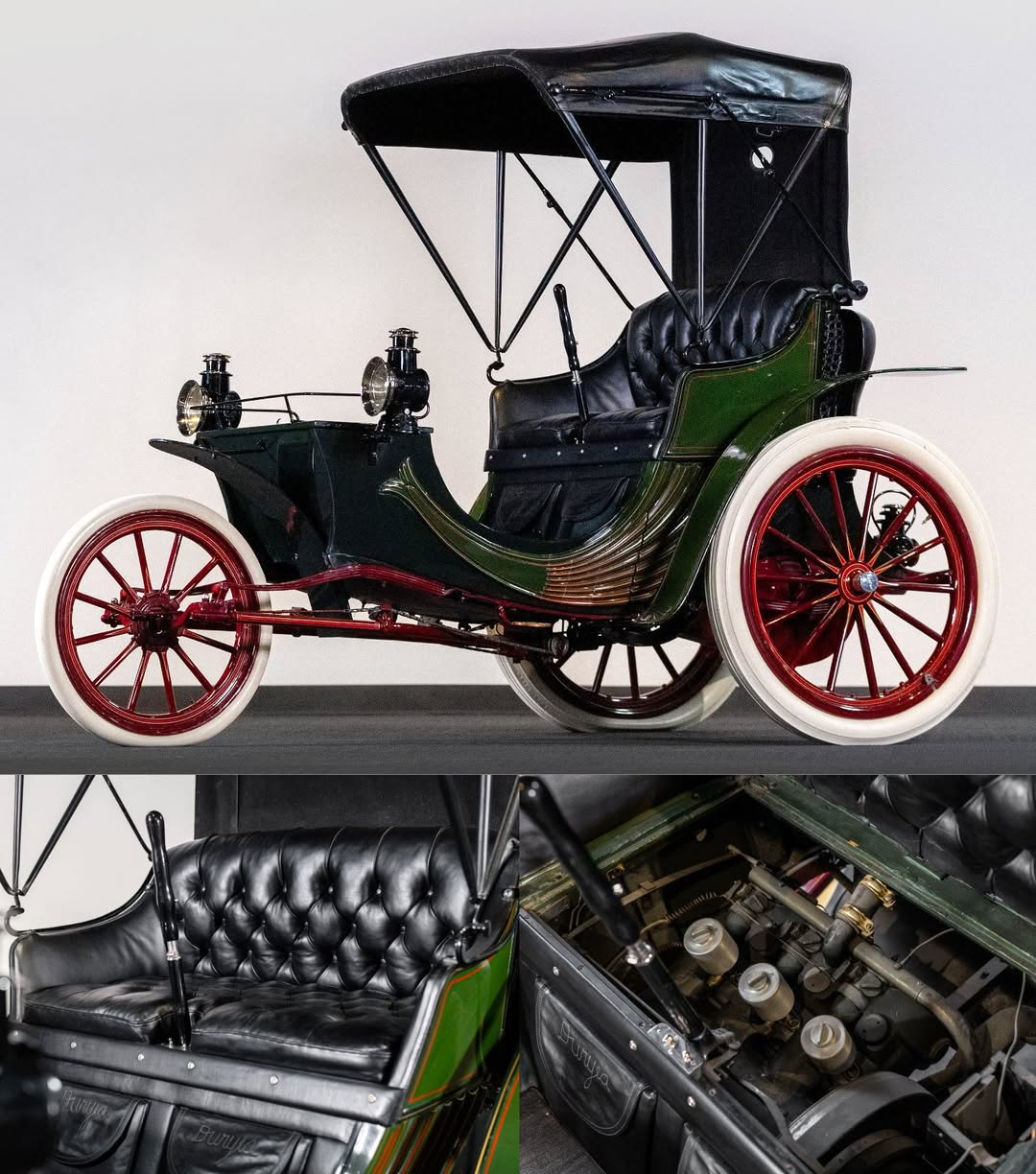
Source