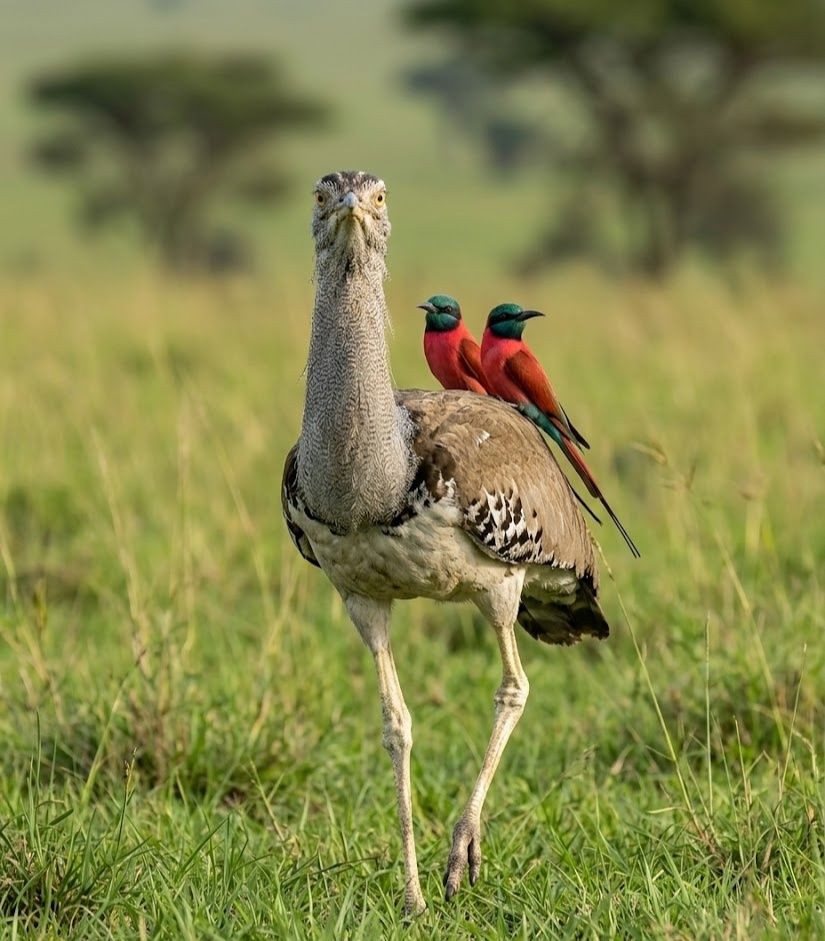
This is not Uber… it’s a living ride in the wild.

Perched on the back of a massive Kori bustard, the smaller passengers are Northern carmine bee-eater. They use this elevated vantage point to spot flying insects and often catch prey disturbed as the larger bird moves.

What makes it extraordinary is this clever interaction — not quite parasitic, but more like a smart “free ride” strategy. The big bird is barely affected, while the smaller birds gain a clear hunting advantage.

A funny yet fascinating glimpse into how wildlife adapts and cooperates in unexpected ways 🐦✨

Kori Bustard & Bee-eaters 👇

#WildlifeBehavior #NatureFacts #FreeRide 🐦🚕
Source

Related Posts

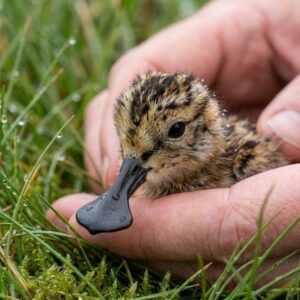
This chick belongs to one of the world’s rarest shorebirds. The Spoon-billed Sandpiper chick hatches on the Arctic tundra, where it must quickly learn to forage for…

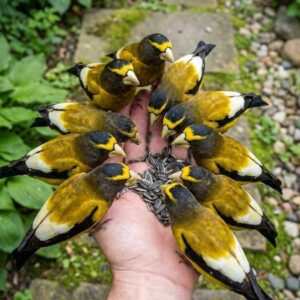
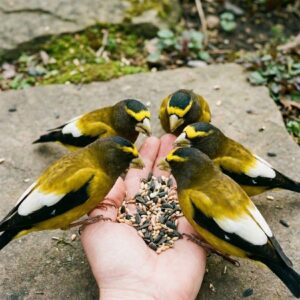
In the mixed woodlands and forest edges across the world, these stout-billed specialists move with quiet assurance among branches heavy with promise. They crack open hard seeds,…

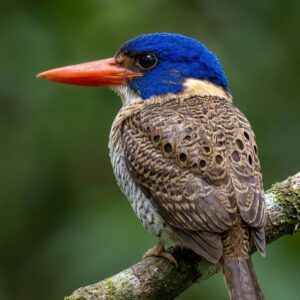
This bird… looks like it’s carved from emerald and fire, yet it hunts with absolute silence. In the dense forests and river edges of Southeast Asia, the…

In the mixed woodlands and forest edges across the world, these stout-billed specialists move with quiet assurance among branches heavy with promise. They crack open hard seeds,…

Love in rain❤ Source

In the tall grasslands and reed-filled wetlands of South and Southeast Asia, this long-tailed shadow slips low and heavy through dense cover. It hunts insects, frogs, and…

Leave a Reply

Your email address will not be published. Required fields are marked *