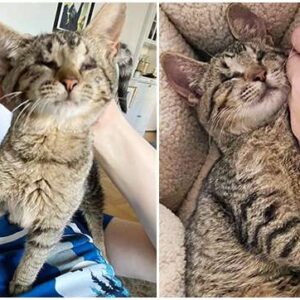
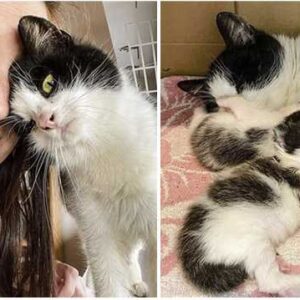
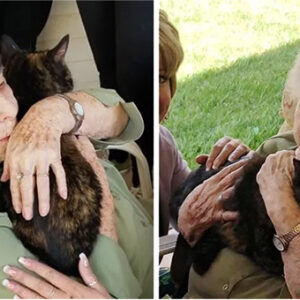
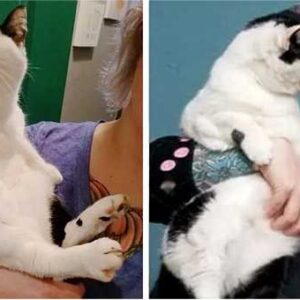
If your fluffy little companion has ever struggled with the scales, you are not alone.
Pet cats are getting heavier around the world and that extra weight is more than just a cosmetic issue.
In China, a major veterinary pharmaceutical company has taken a big step by submitting what may soon become the first weight-loss drug specifically for obese cats, sparking excitement and debate online.
The application was filed with the Chinese Ministry of Agriculture and Rural Affairs and marks a rare move in an area where very few medical treatments exist for feline obesity.
The drug is intended for weekly use and was designed from the ground up for cats, not borrowed from human medicine. Early study data suggest it could help many overweight cats reduce their body weight significantly over a few weeks.
This development comes against the backdrop of a rapid rise in pet obesity worldwide.
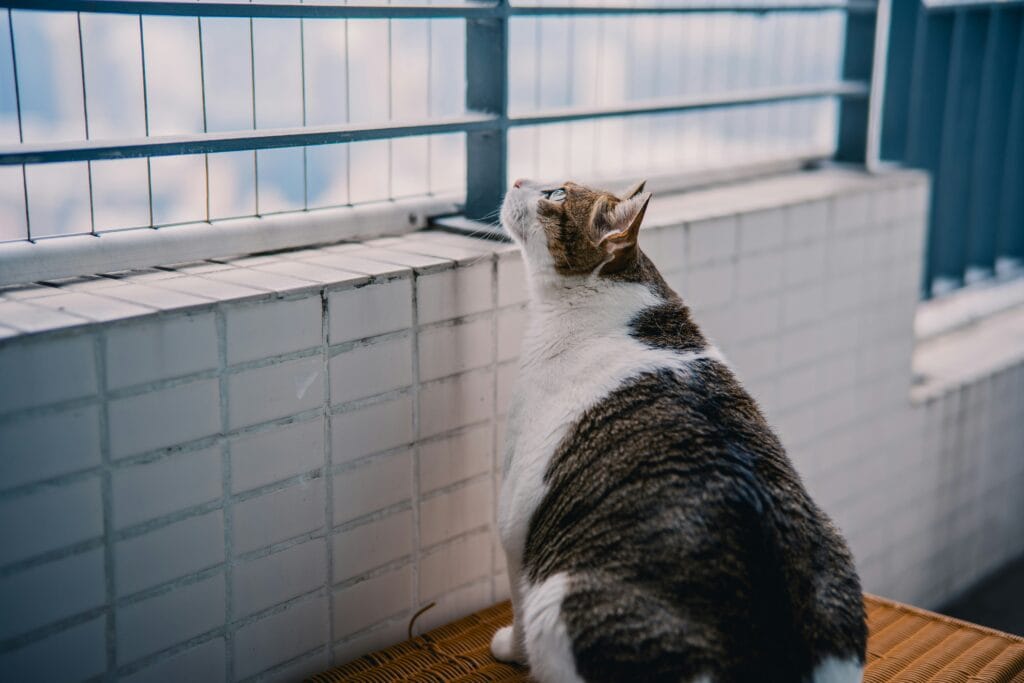
In China alone, data from recent industry reports show that about 28.1 percent of pet cats are now considered obese. This level that puts them at higher risk for serious health problems like diabetes, heart issues, breathing difficulties, and joint disorders.
Unlike dogs, cats are less likely to get regular exercise in home environments.
Many are indoor-only, sterilized, or spend long hours inactive. This lifestyle shift drives excess weight to accumulate over time, and traditional strategies like diet and playtime are often not enough.
Veterinarians regularly list obesity as one of the most common conditions they treat in felines.
 Source: Sherman Kwan
What the New Drug Could Mean
If approved, this would be a landmark moment for feline health care.
Current veterinary science does not have an approved, dedicated weight-loss medication for cats in most markets.
Most weight-management plans center on diet changes and controlled feeding. Clinical literature notes that drug-based treatments for weight loss in cats are essentially nonexistent today.
The experimental drug that’s now under regulatory review appears to use an approach similar to some human obesity medications, targeting mechanisms that influence appetite and metabolic balance.
Study results reported so far show a significant drop in body weight among treated cats, with most showing a meaningful decline in excess fat over six weeks of treatment.
Additionally, early reports indicate that most cats tolerated the medicine well, with few drug-related adverse reactions observed.
Veterinary experts say this kind of development could fill a big gap in feline care.
In the U.S., for example, surveys suggest that up to 61 percent of cats are overweight or obese. This startling figure mirrors the prevalence seen in China.
Pharmaceutical solutions could change how vets manage chronic weight problems in cats when lifestyle changes alone fall short.
What Cat Lovers Need To Know
If you’re thinking about how this might affect your own cat, here are a few practical realities to keep front of mind:
• Not all overweight cats will need medication. Diet and activity changes remain the first line of defense, and many cats respond well to gradual adjustments in food type, portion size, and playtime routine.
• Medical treatments have risks. As with any therapy, there is always a chance of side effects or unintended consequences. That’s why vet guidance is essential before considering any drug treatment.
• Weight loss can improve quality of life. Overweight cats face higher risks of diabetes, arthritis, and reduced life expectancy. Helping a cat achieve a healthy weight can ease strain on joints, boost energy, and reduce disease risk.
• This drug is still under review. A veterinary authority has accepted the application, but full approval will take time and further study. It’s not yet available in clinics and must clear safety and effectiveness reviews before veterinarians can prescribe it.
Final Thoughts
The upcoming year will be crucial as regulators evaluate the weight-loss medicine’s data and decide whether it should become a treatment option for overweight cats.
If approved, this could mark a major shift in veterinary care for cats with chronic weight issues, giving pet parents another tool to help their companions live longer and healthier lives.
For now, keep an eye on updates from veterinary authorities and remember that healthy diet choices, regular vet checkups, and active play remain the cornerstone of feline wellbeing.