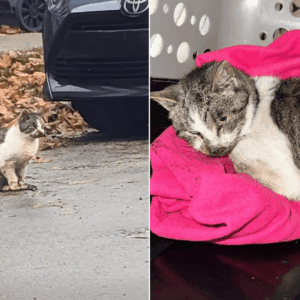
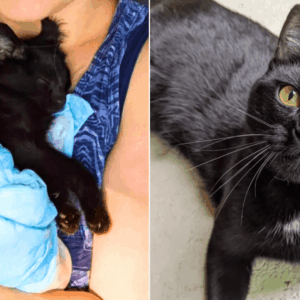
When volunteers at Saving Sage Animal Rescue in South Florida arrived one morning last month, they were met with a quiet but emotional surprise.
Sitting outside the shelter doors was a pet carrier. Inside was a gentle male cat.
Tucked beside him was a handwritten note that immediately stopped staff in their tracks.
The message was short but powerful. It read:
“I am sorry… It’s not safe for him at my house. He doesn’t deserve to be hurt. I’m sorry. Please help him.”
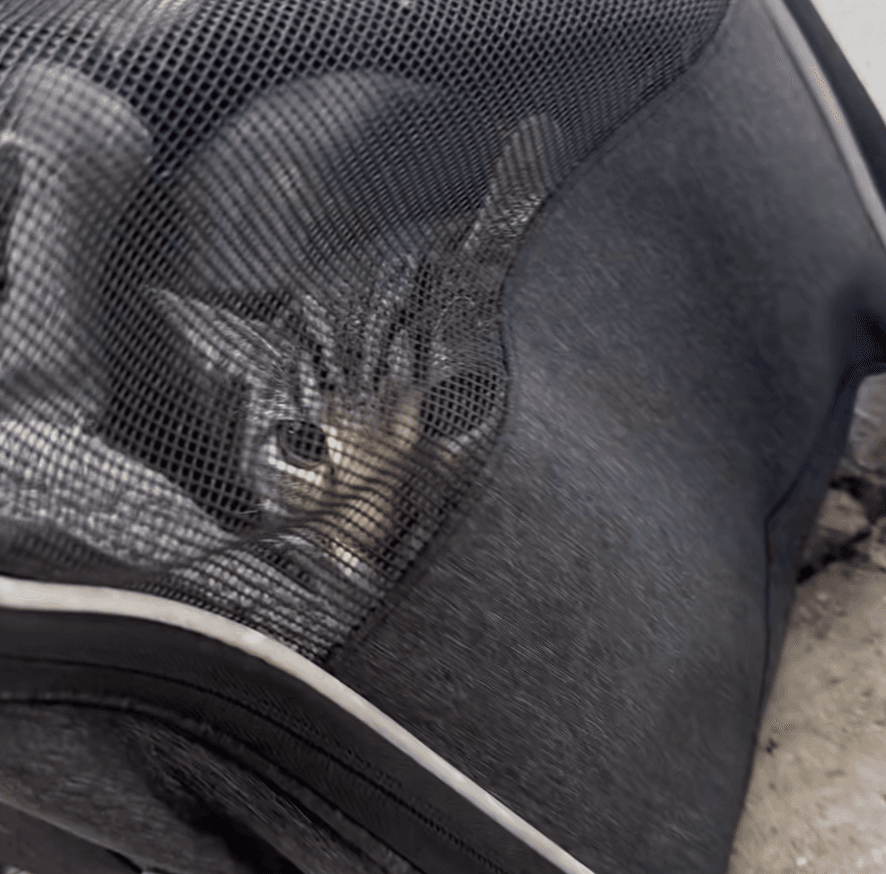 Source: Saving Sage Rescue / facebook.com
For the volunteer run rescue, the meaning felt clear.
Someone had made a difficult decision, likely believing the shelter was the safest place for their pet.
The team quickly brought the cat inside and began assessing him.
They later named him Georgie.
Given the words in the note, staff prepared themselves to find signs of mistreatment or neglect.
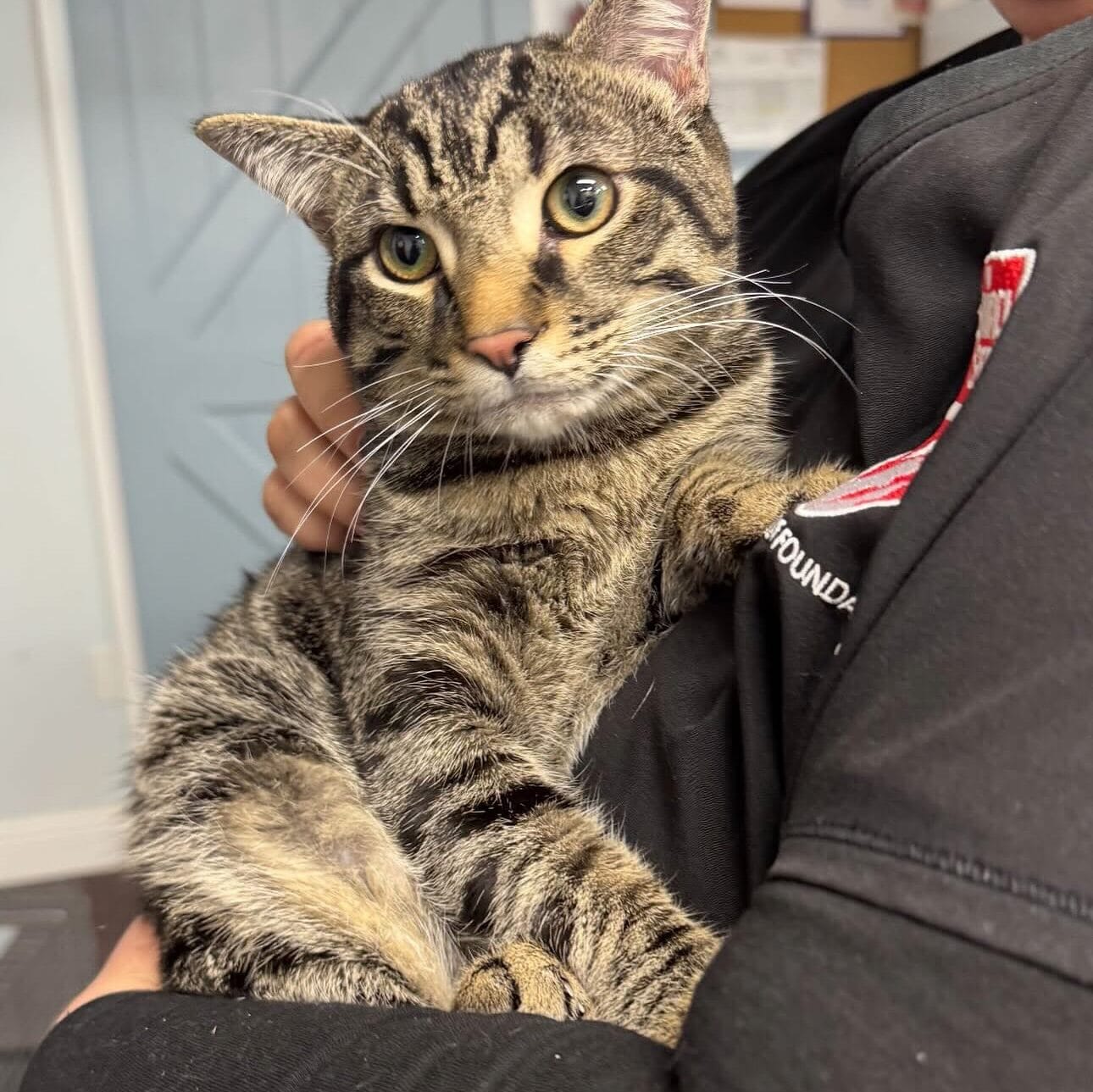
Instead, they found a cat who appeared physically healthy and remarkably affectionate.
He accepted attention easily, leaned into gentle touches, and showed none of the fear that often accompanies abuse cases.
The rescue later shared that everyone who met him quickly fell in love.
Georgie’s calm nature and trusting personality made it clear he had once lived in a home where he felt cared for.
Still, the note raised questions. Why would someone say it was not safe for their pet?
Why would they feel their cat might be harmed?
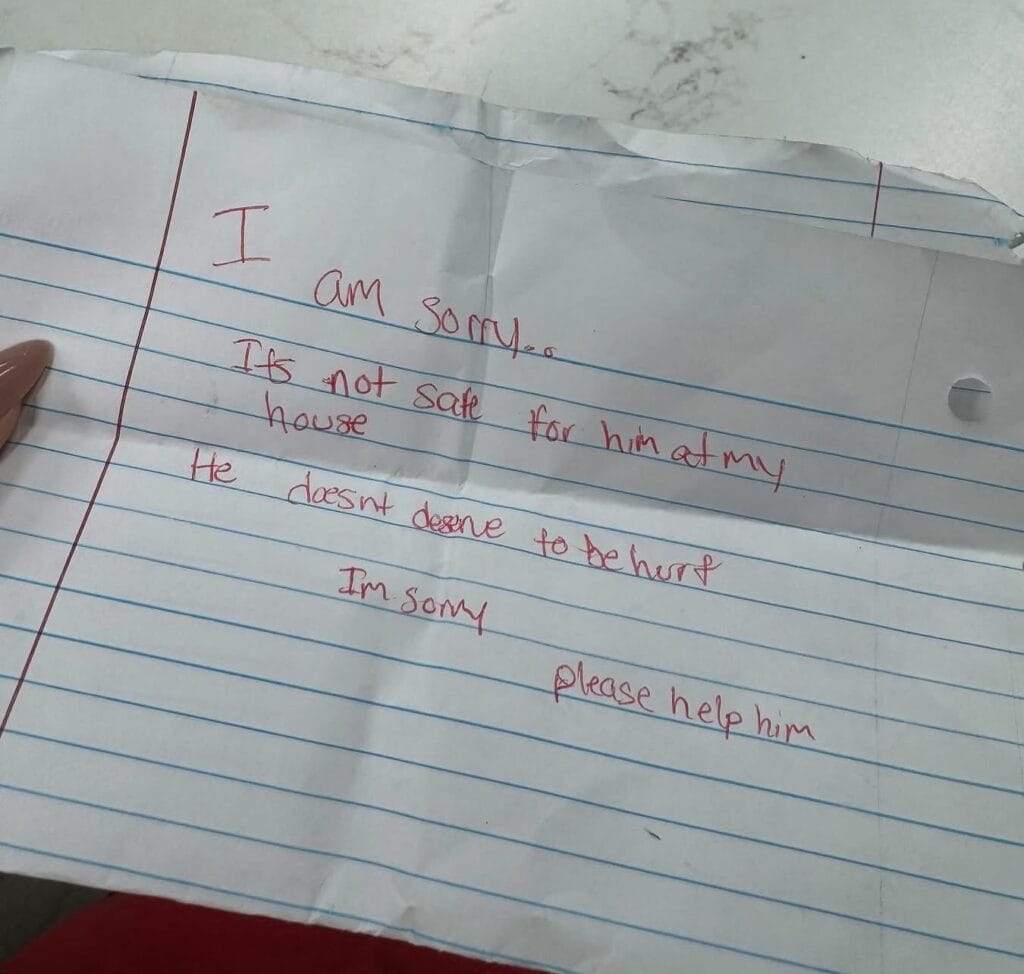 Source: Saving Sage Rescue / facebook.com
Animal welfare experts say notes like this often reflect complicated and painful circumstances rather than simple abandonment.
Research has shown that harm toward animals is sometimes linked to violence in the home.
In households where domestic abuse is present, pets can become targets or leverage in controlling situations.
Many people in unsafe environments delay leaving because they fear what could happen to their animals if they stay behind.
Shelters across the country report that owners in crisis sometimes surrender pets to protect them, even when it breaks their heart to do so.
For some, leaving an animal at a rescue may be the only way to guarantee that pet’s safety.
While Georgie’s exact story may never be fully known, the note suggested someone cared deeply enough to act before anything could happen.
 Source: Saving Sage Rescue / facebook.com
Saving Sage volunteers focused on giving him stability and comfort.
Over the next several days, they ensured he was examined, vaccinated, and ready for the next step in his journey.
After about five days in their care, Georgie was transferred to a partner rescue organization, Ten Lives Club in Buffalo, New York.
Transport programs like this are common in rescue work. Shelters in areas with high animal intake often coordinate with groups in regions where adoption demand is stronger.
These partnerships help give animals more opportunities to find permanent homes.
In Georgie’s case, the move worked quickly in his favor.
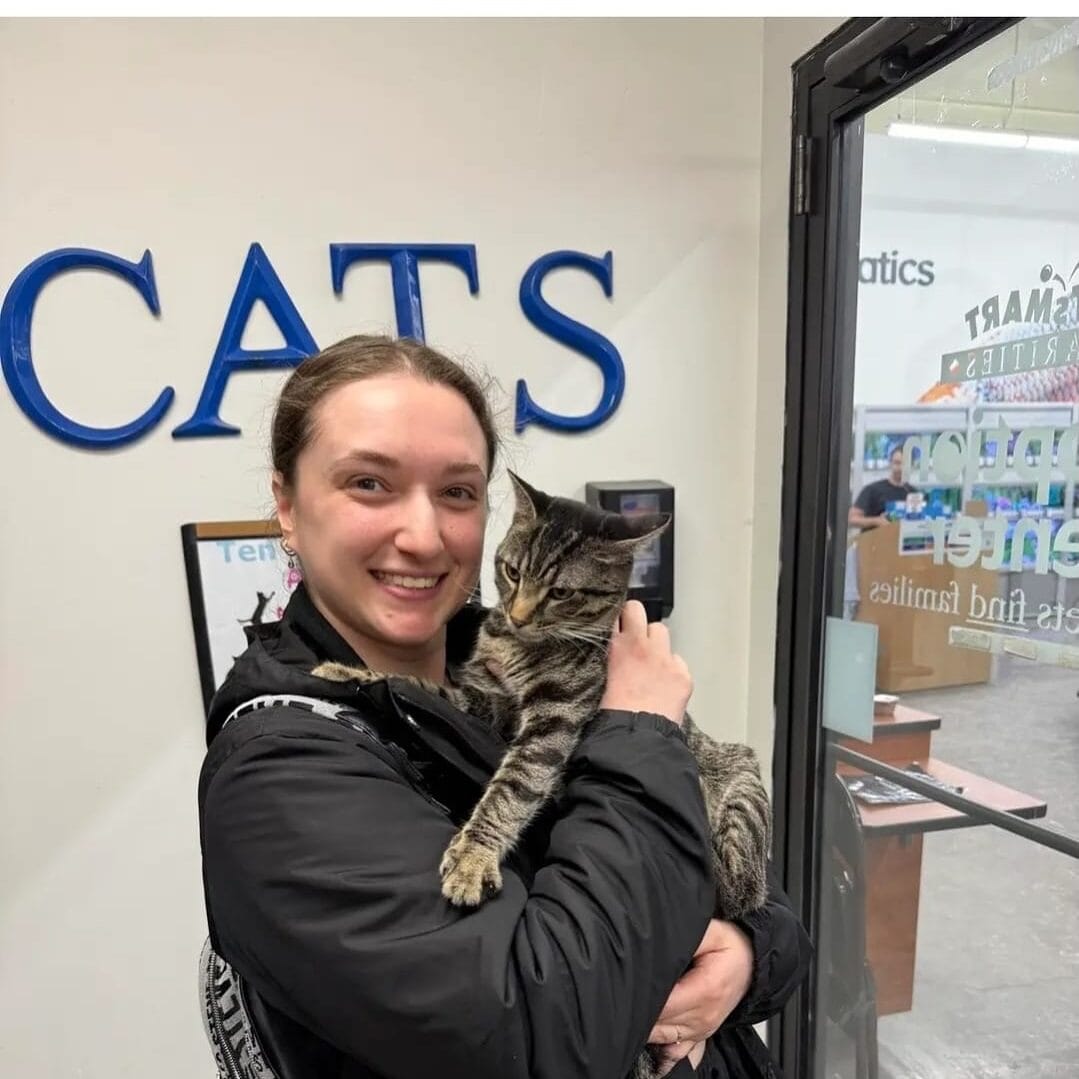
Shortly after arriving in Buffalo, a woman visited the rescue hoping to adopt a kitten.
Instead, she met Georgie. Something about his gentle nature stood out immediately.
She decided he was the one she wanted to bring home.
On January 28, Georgie officially joined his new family.
He will be his adopter’s only pet, meaning he will receive plenty of attention and a calm environment to settle into.
For a cat who arrived with uncertainty and a heartbreaking note, the change represents a complete shift in his future.
When Saving Sage shared Georgie’s story online, many readers felt both relief and concern.
 Source: Saving Sage Rescue / facebook.com
Social media users expressed happiness that the cat had found a safe home while also hoping the person who left him was safe as well.
Some commenters said they believed the note showed courage rather than neglect.
Others pointed out that making the decision to surrender a pet for their safety can be one of the hardest choices an owner ever makes.
Rescue workers often see these difficult moments behind the scenes.
For them, Georgie’s story is a reminder that compassion sometimes means understanding that people surrender animals not because they do not care, but because they care deeply.
Today, Georgie’s life looks very different from the morning he was discovered outside that shelter door.
He has a home, stability, and someone who chose him.
And while the person who wrote the note may never know how his story ended, their decision gave him the chance to live safely, loved, and protected.
Sometimes, that single act of placing a carrier outside a rescue is not an ending at all. It is the beginning of a second chance.