1970 Jaguar E-Type Series 2 4.2 FHC
Open headlights replaced the glass-covered units of earlier cars when Series 2 production began in 1968, accompanied by larger wraparound bumpers and taillights repositioned below the rear bumper. A wider front air intake improved cooling capacity, addressing a persistent issue from the first series.
Inside, rocker switches replaced the toggle switches, and seating comfort received attention for improved long-distance capability.
The 256 CI inline-six carried over from late first-series cars, breathing through twin Zenith-Stromberg carburetors on US-market examples where emissions regulations reduced output to 246 horsepower.
Mechanical improvements included dual electric cooling fans, larger Girling brake calipers, and an energy-absorbing steering column. Power steering was not offered on the six-cylinder Series 2.
Production continued through 1970 for the six-cylinder Series 2 across all three body styles: roadster, fixed-head coupe, and 2+2, before the V12-powered Series 3 replaced it for 1971.
These refinements delivered better reliability and comfort while maintaining the performance and handling reputation established at the model’s 1961 introduction.
Series 2 examples represented a more practical iteration of Coventry’s sports car icon, trading some visual purity for improved everyday usability.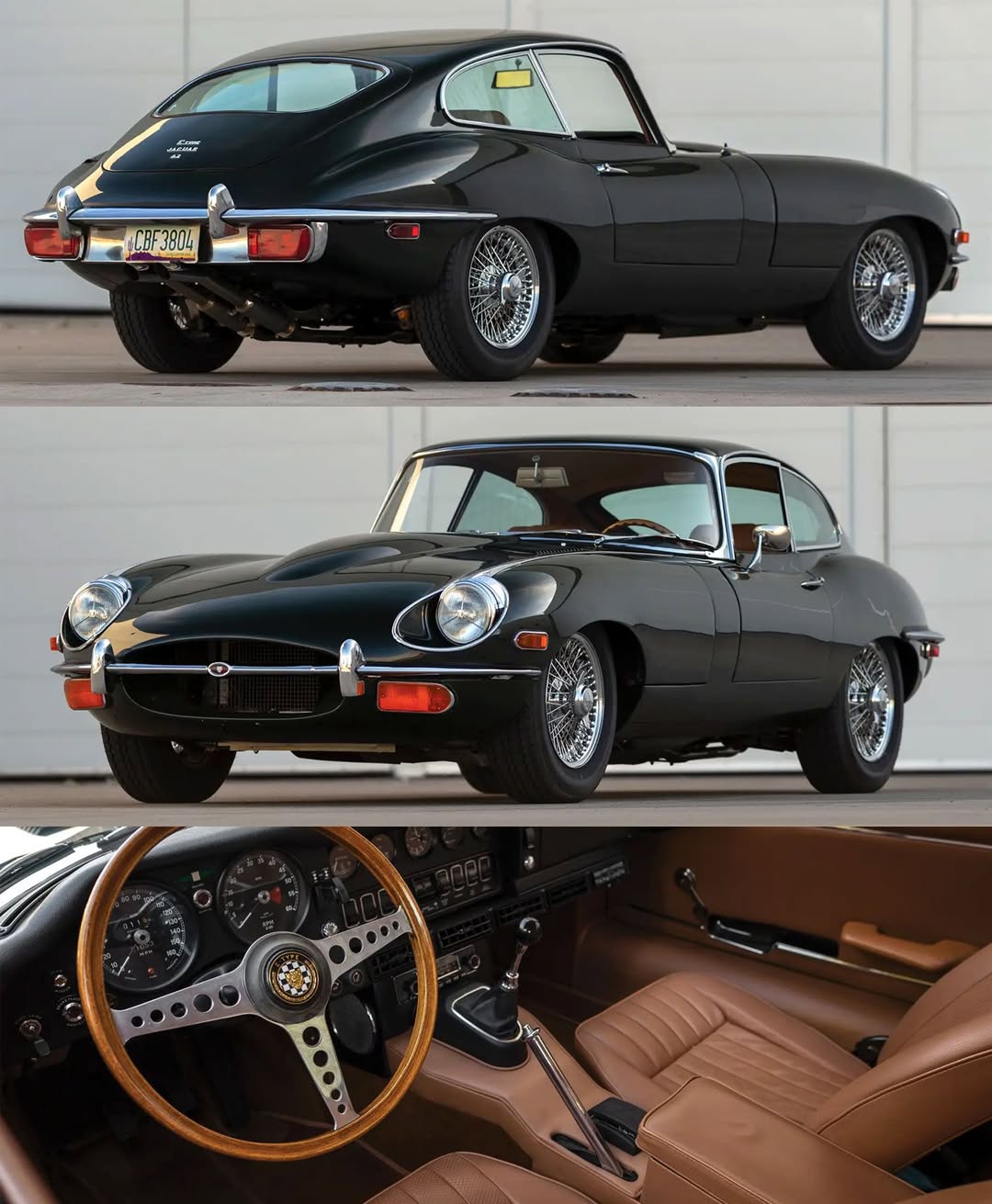
Source