1953 Siata 208 CS
Introduced at the 1952 Turin Auto Show, the 208 CS was built around a batch of Fiat 8V (Otto Vu) V-8 engines that SIATA acquired and installed in its own tubular chassis (rather than the Fiat’s original platform). Just 18 208 CS berlinettas were produced in total, with coachwork divided between Stabilimenti Farina and Carrozzeria Balbo of Turin.
SIATA encouraged its coachbuilders to execute contemporary, competition-oriented designs in keeping with the finest Italian GT work of the period. The Balbo-bodied cars, of which 10 were built, are generally considered the more distinctive of the two.
The hand-formed aluminum bodies sat on a chassis with independent front suspension by wishbones and coil springs, and a live rear axle located by trailing arms with coil springs.
The 2.0-liter (1,996 cc) 70-degree alloy V-8 was tuned with revised camshafts, induction work, and carburetion, producing approximately 110 to 125 horsepower at around 6,000 rpm (with some competition examples reportedly higher).
Power was transmitted through a four-speed manual gearbox, and curb weight was approximately 2,000 to 2,200 lbs (900 to 1,000 kg).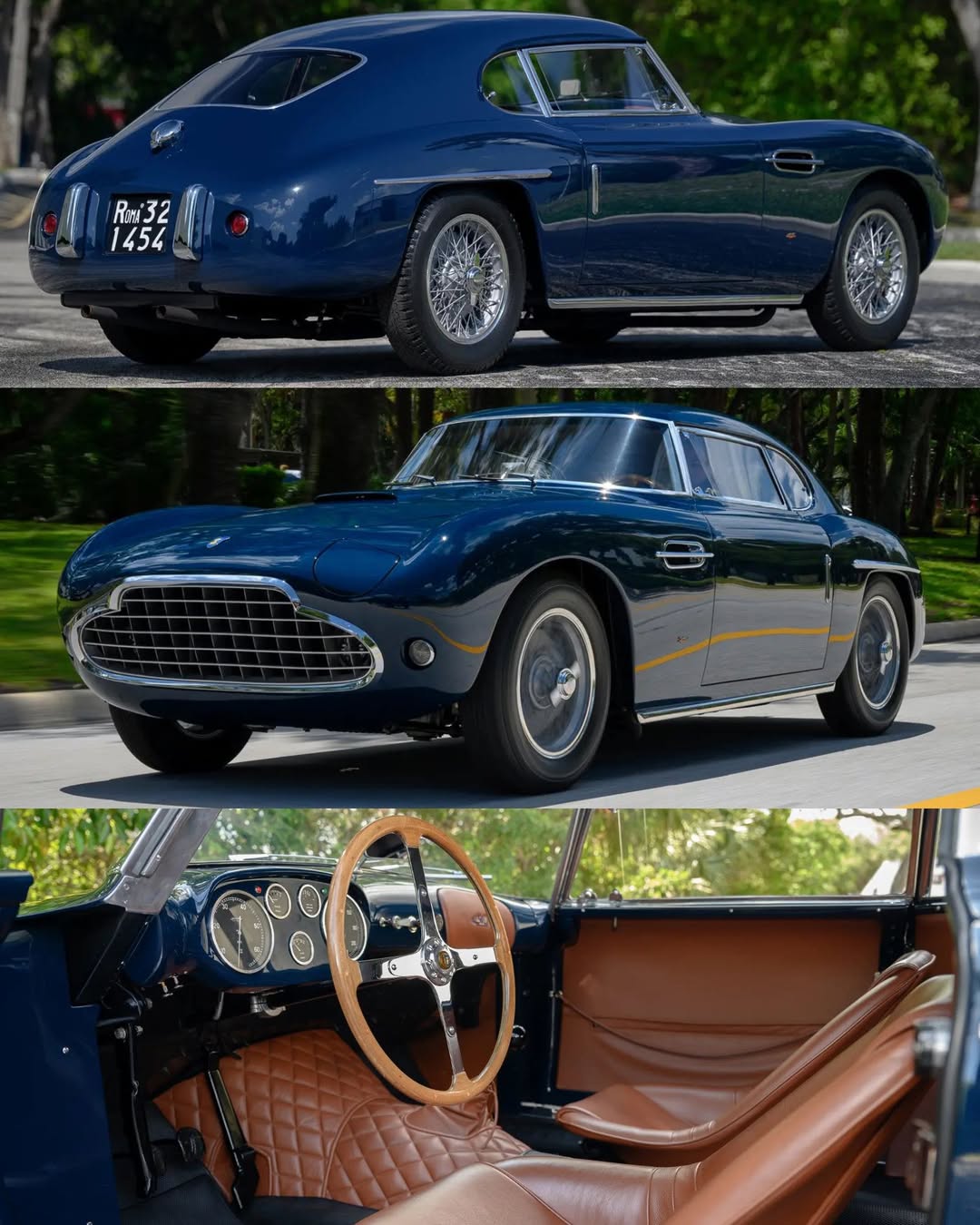
Source