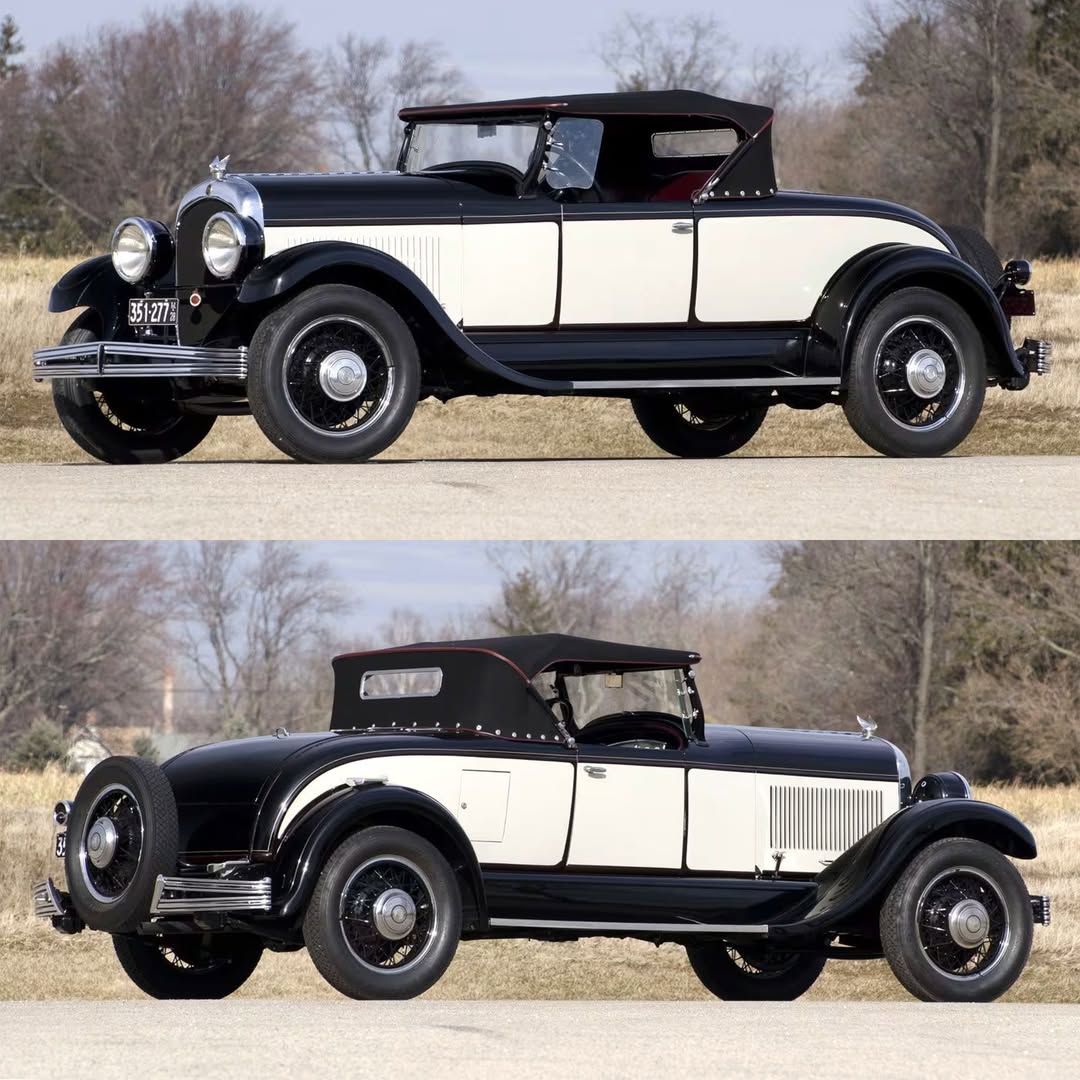
1928 Chrysler Model 72 Roadster

The Model 72 Roadster evolved from Walter P. Chrysler’s groundbreaking 1924 Model 70, which had achieved remarkable success with 32,000 units sold in its first year. The original Model 70 featured advanced technologies like hydraulic brakes and aluminum pistons, establishing Chrysler’s reputation for performance and innovation through numerous racing victories.

By 1928, the engine had grown from the original displacement to 4.1 liters, transforming the Model 70 into the Model 72. This larger powerplant maintained the performance heritage, as demonstrated when two Model 72s finished third and fourth at Le Mans that same year.

The Model 72 Roadster featured attractive proportions with period-appropriate dipped side moldings and included the performance-oriented “Red Head” cylinder head with 6:1 compression ratio. A rumble seat was integrated into the rear design, and the model continued the racing success of its predecessors.

Source

Related Posts

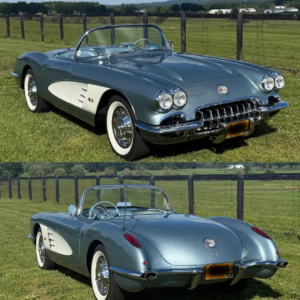
Chrome, curves, and classic V8 power. The 1959 Corvette captured the spirit of late-’50s America with its unmistakable styling and 283 V8 producing 245 horsepower a combination…

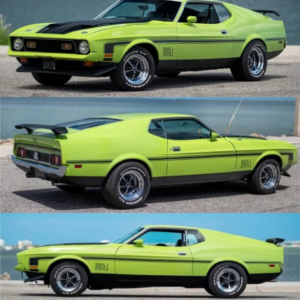
Aggressive stance. Long hood. Pure American muscle. The 1971 Mach 1 arrived with one of the boldest Mustang designs of the era, combining dramatic styling with V8…

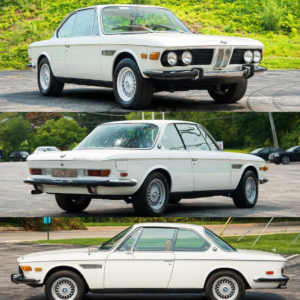
Elegant lines. Long hood. Pure German grand-touring character. The 2800 CS combined BMW’s smooth inline-six power with a sleek pillarless coupe design, creating the kind of classic…

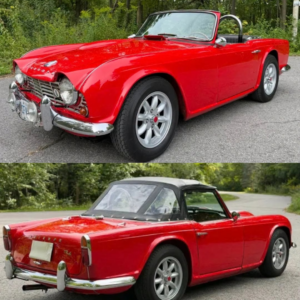
Long hood. Open cockpit. Pure British roadster spirit. The TR4 brought a more modern shape to Triumph’s classic roadster formula, combining elegant lines with a lively driving…

Long hood. Sleek fastback lines. Straight-six soul. The first-generation 240Z helped redefine what a Japanese sports car could be stylish, engaging, and built to compete with established…

πŸ”₯πŸ‡ΊπŸ‡Έ 1969 Ford Mustang Mach 1 M-Code 351 Aggressive styling. V8 power. Pure late-’60s Mustang attitude. The Mach 1 arrived with a performance-focused image that helped define…

Leave a Reply

Your email address will not be published. Required fields are marked *