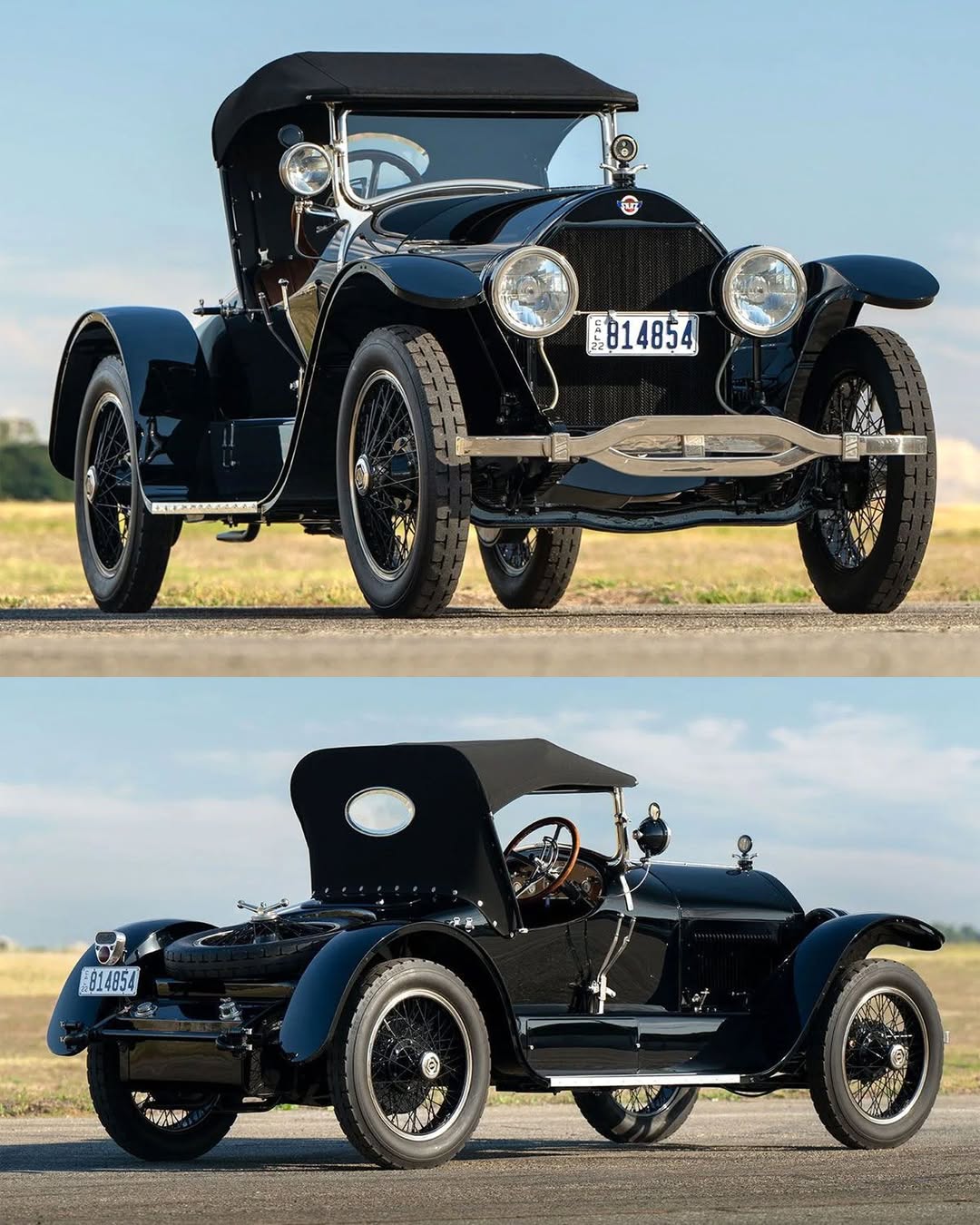
1922 Stutz Series K DH Bearcat

The DH designation on this Stutz marked a significant engineering advancement: a detachable cylinder head that provided complete access to valves, cylinders, and pistons from above. This 1922 model represented one of the final years for the legendary Bearcat nameplate in its original form, as Stutz would soon phase out the designation from its sales materials.

Built on a 130-inch wheelbase, the Series K featured a 360 cubic inch T-head 16-valve four-cylinder engine producing 88 horsepower at 2,400 RPM. Power reached the rear wheels through a three-speed manual transmission. The bodywork remained intentionally minimal with just two bucket seats, a brief windscreen, and exposed mechanical components that emphasized the car’s racing heritage.

Stutz had established its reputation at the 1911 Indianapolis 500, and the Bearcat continued that performance tradition throughout the early 1920s. These machines competed directly with the Mercer Raceabout for dominance among American sporting automobiles of the period.

Source

Related Posts

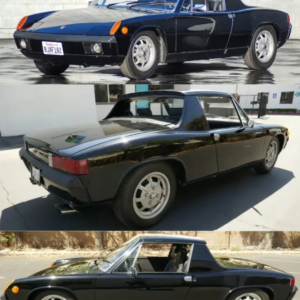
Not every Porsche needs six cylinders. The 1975 Porsche 914 2.0 paired a mid-engine layout with a lightweight body and a removable Targa roof. Its air-cooled flat-four…

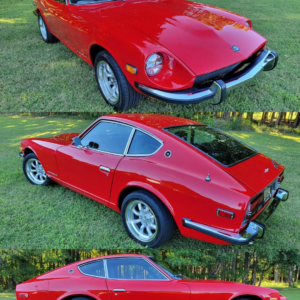
Still one of the coolest Japanese sports cars ever made. The 1973 Datsun 240Z kept things simple: a sleek long hood, a 2.4-liter inline-six, and rear-wheel drive….

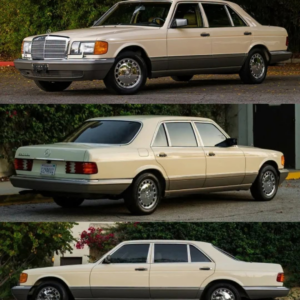
When luxury meant solid engineering, not giant screens. The 1986 Mercedes-Benz 420SEL was a long-wheelbase S-Class built for quiet comfort and effortless cruising. Its V8 power, understated…

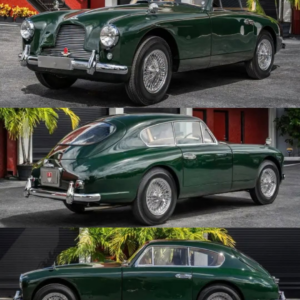
British elegance from a different era. The 1955 Aston Martin DB2/4 Mark I Saloon blended graceful grand-touring lines with the sporting character Aston Martin was becoming known…

Italian design. American V8 muscle. 🇮🇹🇺🇸 The 1973 De Tomaso Pantera L brought together a dramatic Italian-designed body and a Ford 351 Cleveland V8 mounted behind the…

Swedish style with a sporting edge. The 1971 Volvo 1800E combined elegant coupe styling with Volvo’s reputation for solid engineering. The fuel-injected 1.8-liter engine gave the 1800E…

Leave a Reply

Your email address will not be published. Required fields are marked *