1911 Chalmers Thirty Pony Tonneau
Racing success established the Chalmers Thirty’s reputation long before it became a production favorite. The four-cylinder powered machine conquered the grueling 2,851-mile 1910 Glidden Tour, becoming the first automobile priced under $4,000 to claim victory in this prestigious endurance event. This triumph validated the engineering prowess of Howard Coffin’s design and demonstrated that affordable cars could compete with luxury rivals.
The 226.2 cubic inch inline-four engine produced 30 horsepower and featured a ball-bearing crankshaft with overhead intake valves and side exhaust valves in F-head configuration. Built on a 115-inch wheelbase, the Pony Tonneau body sat lower than standard touring cars of the era, creating a sport-touring character that appealed to performance-minded buyers.
Hugh Chalmers, former National Cash Register executive, purchased the Thomas-Detroit company in 1908 and renamed it Chalmers-Detroit before shortening it to simply Chalmers in 1911. The company’s racing efforts paid dividends, with Chalmers cars claiming 89 first-place victories, 32 second-place finishes, and 21 third-place trophies during their early competition years.
The 1911 model year brought updates including a redesigned dashboard, running boards, and radiator emblem, plus rear doors on all body styles and a modern torque-tube drive replacing the earlier open driveline. Originally priced at $1,600, the Thirty represented exceptional value in an era when many competitors cost considerably more, proving that American engineering could deliver both performance and affordability.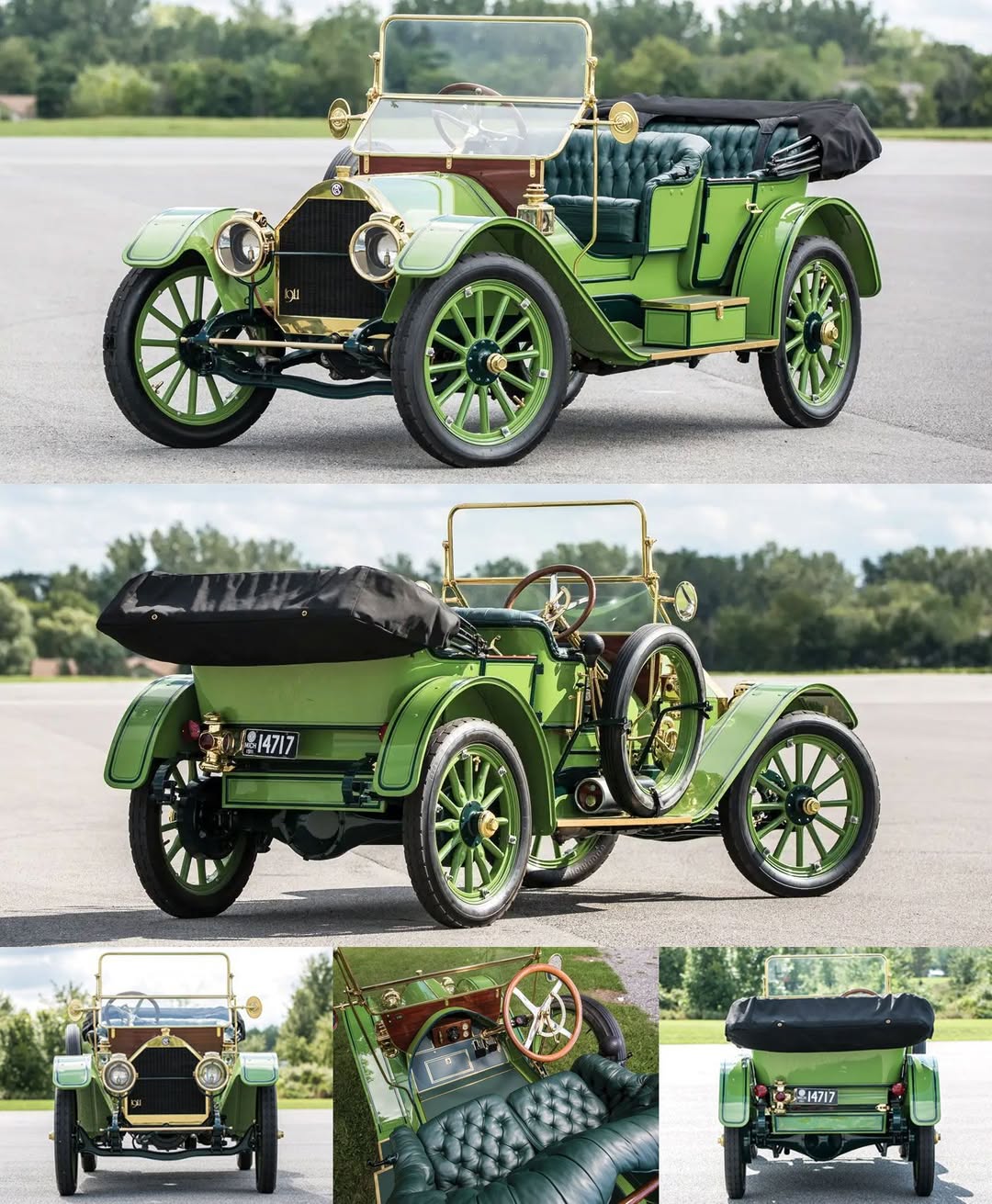
Source