1934 Renault Vivastella PG9 Limousine
Renault’s engineers determined that three forward gears were sufficient for their 3.2‑liter six‑cylinder engine introduced in 1925, thanks to its exceptional low‑speed pulling power that made additional ratios unnecessary.
The 15CV model marked Renault’s first six‑cylinder design with a detachable cylinder head, though it retained the familiar sidevalve configuration. A single‑plate clutch replaced the earlier cone‑type design, improving smoothness and drivability.
By 1928, the model evolved into the “Vivasix” line, offering a choice of magneto or coil‑and‑battery ignition systems. Around this time, four‑wheel brakes gained servo assistance, further improving safety and control.
The Vivastella represented the more luxurious companion to the Vivasix, aimed at affluent middle‑class buyers seeking refinement and comfort rather than outright performance.
The limousine body style provided generous interior space, with plush velour upholstery and fine trim adding to its premium character. This configuration appealed both to professional chauffeur services and private owners who valued comfort and elegance.
The Vivastella PG9, produced between October 1933 and April 1934 in just 746 examples, stood as one of Renault’s most distinguished prewar six‑cylinder offerings before the company transitioned to newer designs later in the decade.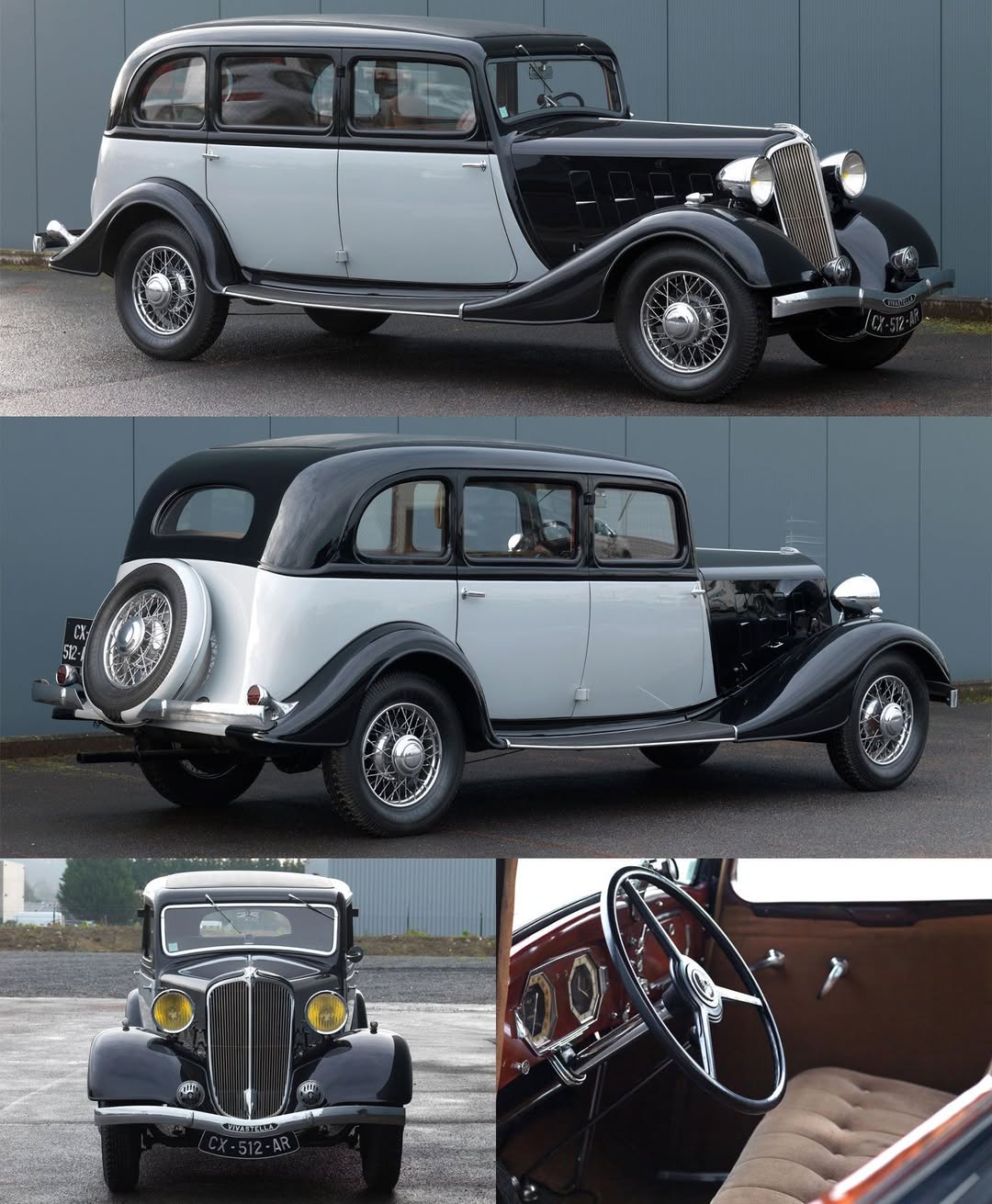
Source