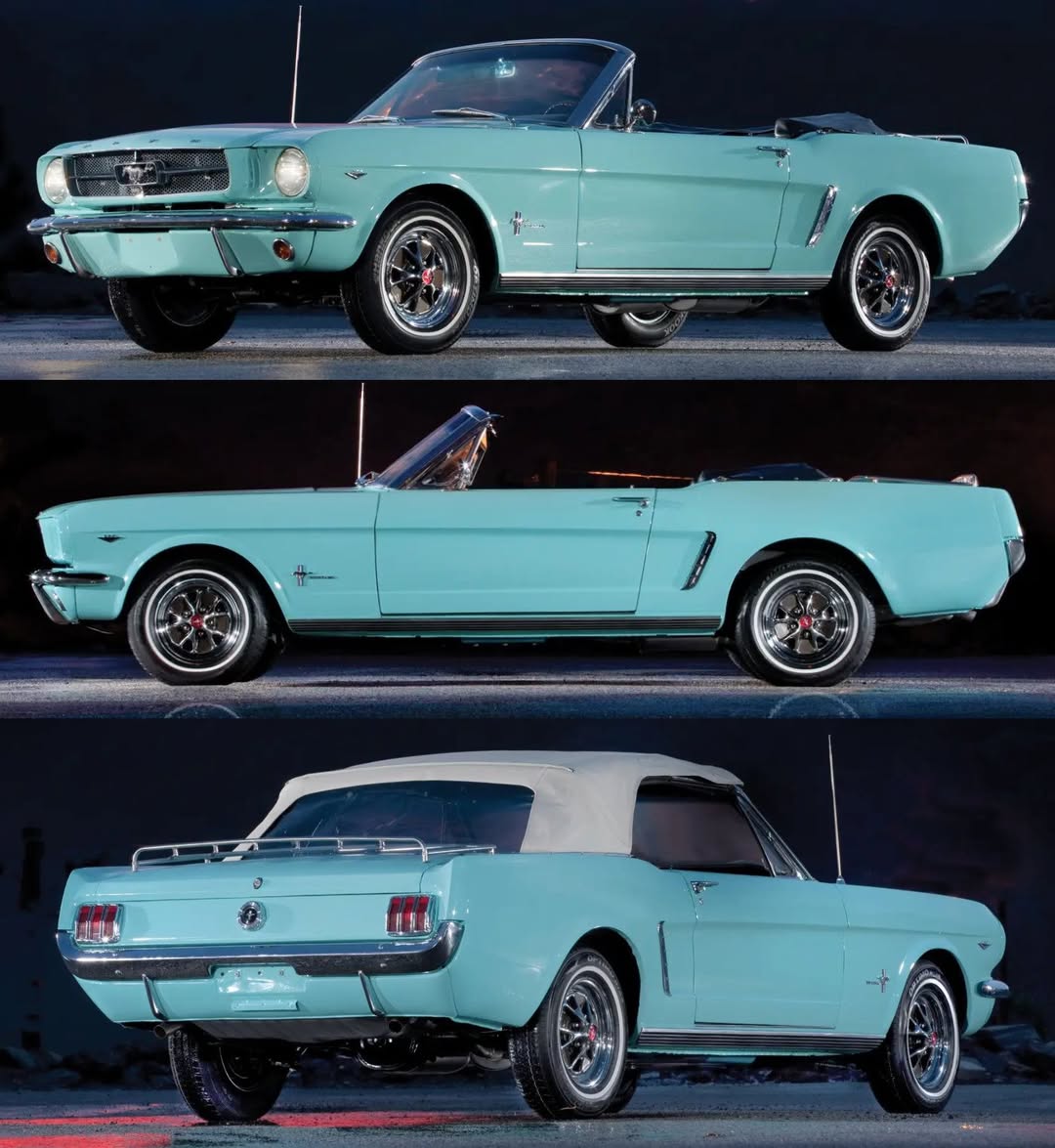
Ford took 22,000 orders for the Mustang on its first day of sale, April 17, 1964, and by the time the official 1965 model year began that August, over 120,000 had already left showrooms.

The formula was a long hood, a shortened rear deck, bucket seats, and an options list that let buyers configure anything from an economy coupe to a fully equipped convertible. The convertible started at $2,614.

Total 1965 production reached 680,989 units, a figure that pulled Ford’s marketing language (“pony car”) into the industry’s permanent vocabulary.

The A-code 289 was the four-barrel mid-range V-8, rated at 225 hp with 10.0:1 compression and available with Ford’s C4 Cruise-O-Matic three-speed automatic.

The top 1965 V-8 option was the solid-lifter, four-barrel K-code 289 at 271 hp (still available to buyers who wanted the full-performance specification from the factory).

Source

Related Posts

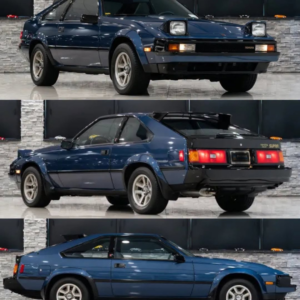
Sharp lines. Long hood. Straight-six character. The Celica Supra brought Japanese grand-touring style, rear-wheel drive, and a smooth inline-six into the growing performance-car scene of the 1980s….

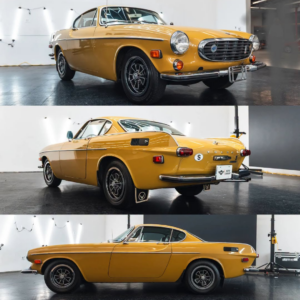
πŸ‡ΈπŸ‡ͺπŸ”₯ 1971 Volvo 1800E Elegant lines. Scandinavian character. A sports car with a reputation for durability. The 1800E combined distinctive Italian-inspired styling with Volvo’s practical engineering –…

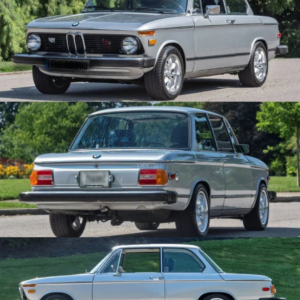
πŸ‡©πŸ‡ͺπŸ”₯ 1976 BMW 2002 Simple. Lightweight. Pure driving character. The BMW 2002 helped establish the formula that would define BMW’s sporty compact cars for decades: a balanced…

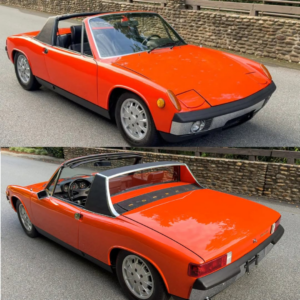
πŸ‡©πŸ‡ͺπŸ”₯ 1973 Porsche 914 Low, lightweight, and unmistakably 1970s. With its mid-engine layout, removable Targa roof, and distinctive wedge-shaped design, the 914 brought a very different character…

Source

Source

Leave a Reply

Your email address will not be published. Required fields are marked *