1969 Ferrari 365 GT 2+2 (by Pininfarina)
Introduced at the 1967 Paris Salon, the Ferrari 365 GT 2+2 represented a significant departure from traditional Ferrari philosophy, prioritizing luxury and comfort alongside performance. As Ferrari’s largest and most luxurious model at the time, it answered growing demand for high-speed four-passenger transport among wealthy enthusiasts.
The Pininfarina-designed fastback body drew styling cues from the 500 Superfast and 365 California, while incorporating groundbreaking features that would define modern grand touring cars.
The 365 GT 2+2 marked several Ferrari firsts, including standard power steering, power brakes, power windows, and self-leveling independent rear suspension. Its 4.4-liter V-12 engine, fed by three Weber carburetors, produced 320 horsepower and delivered genuine grand touring performance. The luxurious interior featured rich leather upholstery, wood-veneered trim panels, air conditioning, and a radio (notable amenities for a Ferrari of this era).
Road & Track magazine dubbed it the “Queen Mother of Ferraris” in 1969, recognizing how it successfully combined traditional Ferrari performance with unprecedented comfort and refinement. Built between 1967 and 1971, the 365 GT 2+2 established the template for modern four-seat Ferrari grand tourers.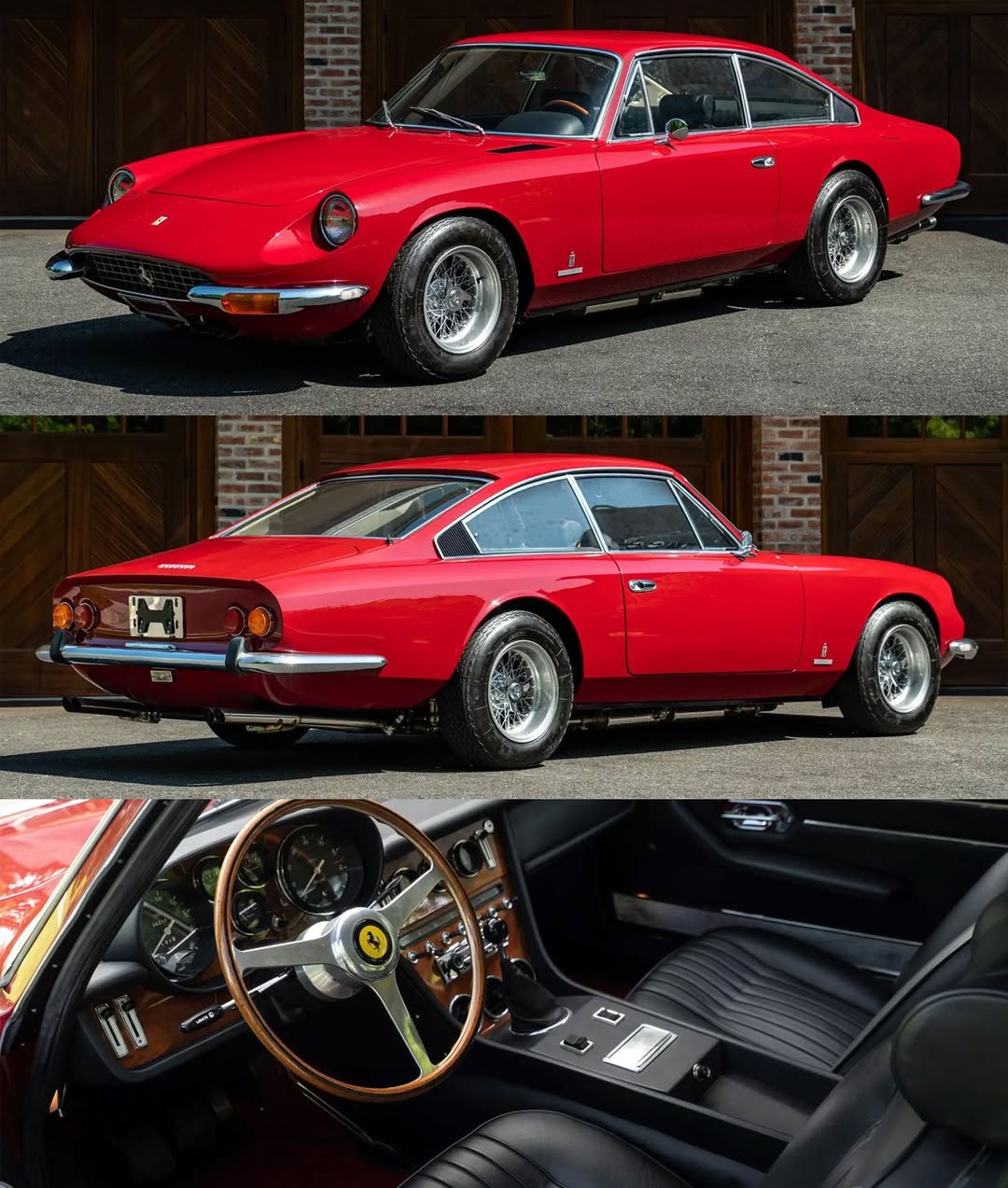
Source