1922 Lincoln Model L Five Passenger Phaeton
Henry Leland founded Lincoln after leaving Cadillac following a dispute with William Durant over wartime production priorities. Leland secured a $10 million contract to build Liberty aircraft engines, established a factory employing about 6,000 workers, but saw the war end just as production began. Rather than close his new facility, he pivoted to developing a luxury automobile.
The 1922 Lincoln Model L featured Leland’s refined 358-cubic-inch (5.9-liter) V8 engine, which was built for smooth, reliable performance rather than outright speed. Build quality matched or exceeded any contemporary luxury car, though Leland’s insistence on maintaining high standards over production efficiency created financial difficulties. The company entered receivership, and Henry Ford purchased Lincoln for $8 million in 1922, with Leland departing just a few months later.
Pre-Ford Lincolns featured distinctive headlights, hubcaps, and radiator shells that differed from later Ford-era production. These early examples are now rare and highly collectible. The Model L earned praise for its driving characteristics, including relatively light steering, capable mechanical brakes, and an engine that could comfortably cruise at modern secondary-road speeds.
The Five Passenger Phaeton represented one of the most desirable body styles from the Leland period. West Coast collectors particularly favor these cars for touring events due to their strong performance and construction. Original design elements included finely crafted wood trim in the rear passenger compartment, reflecting the period’s coachbuilding traditions.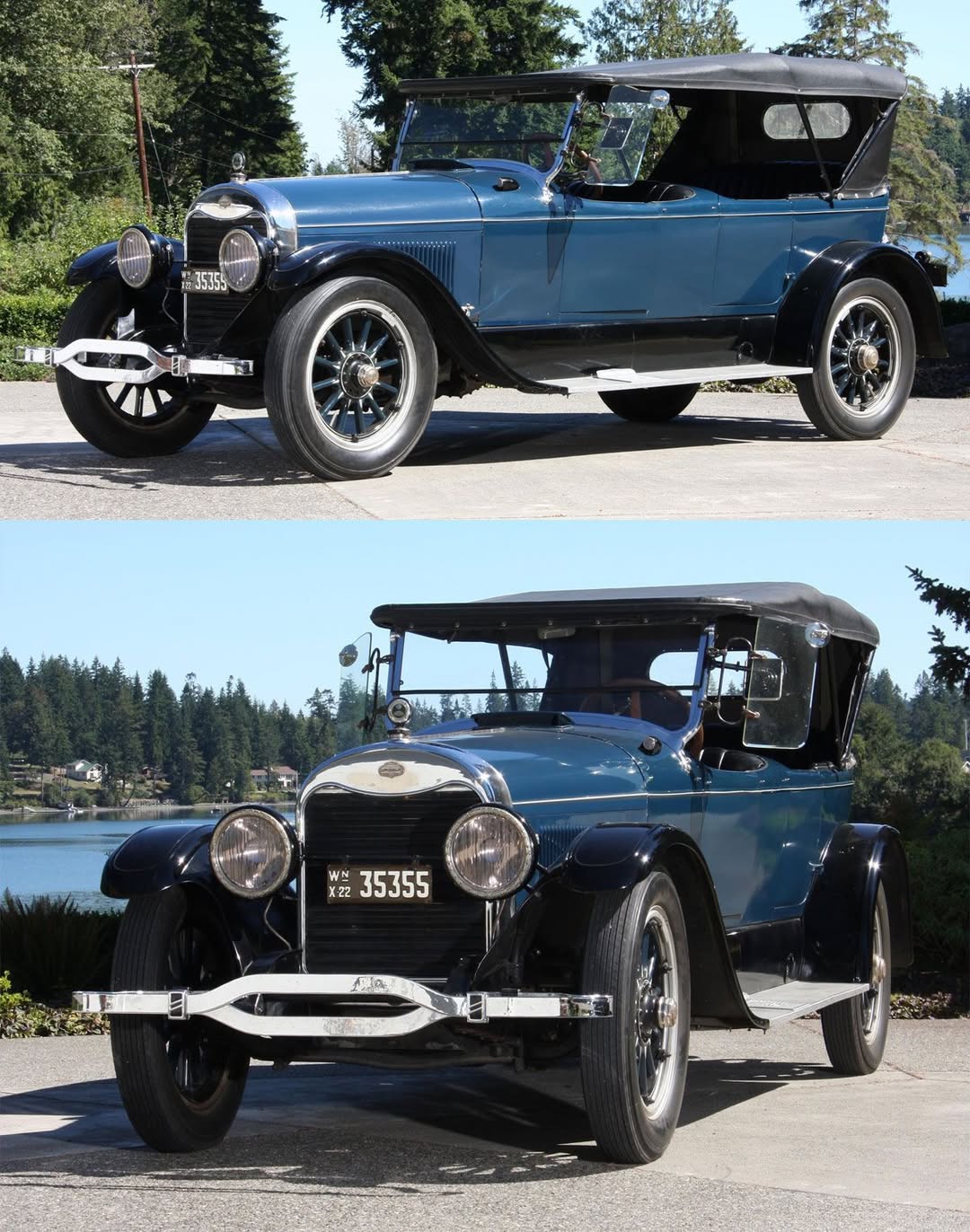
Source